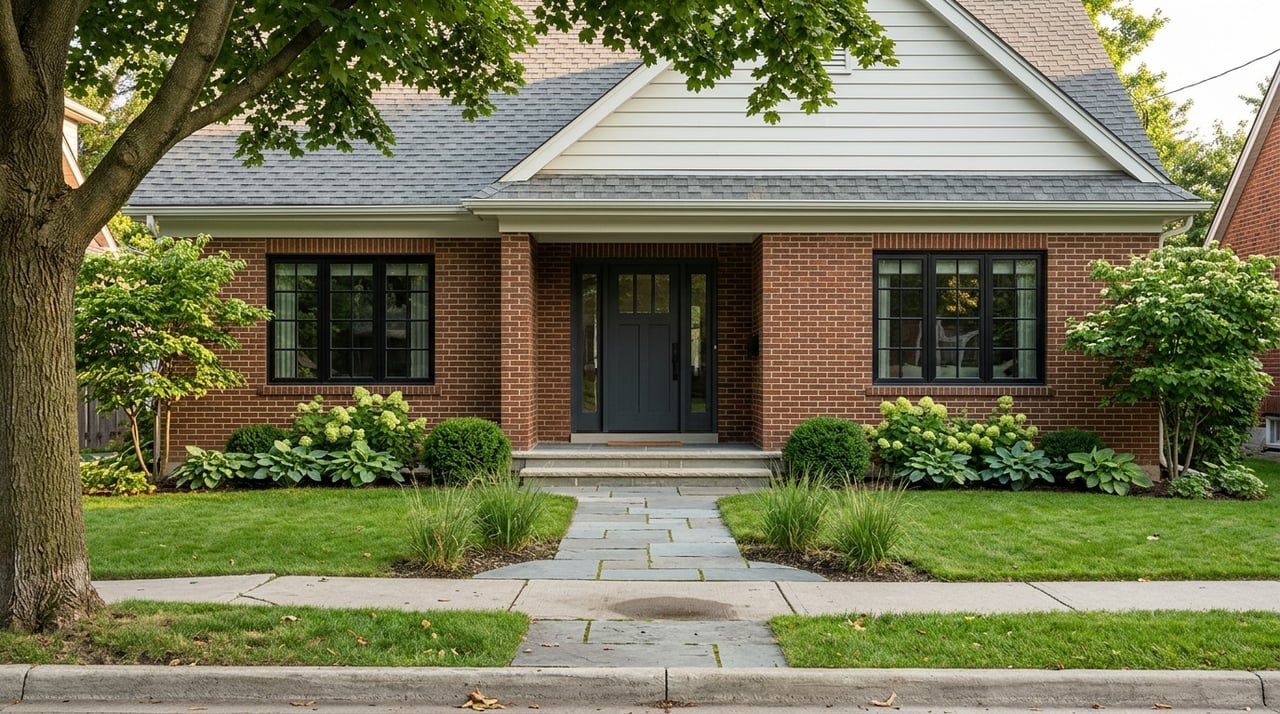
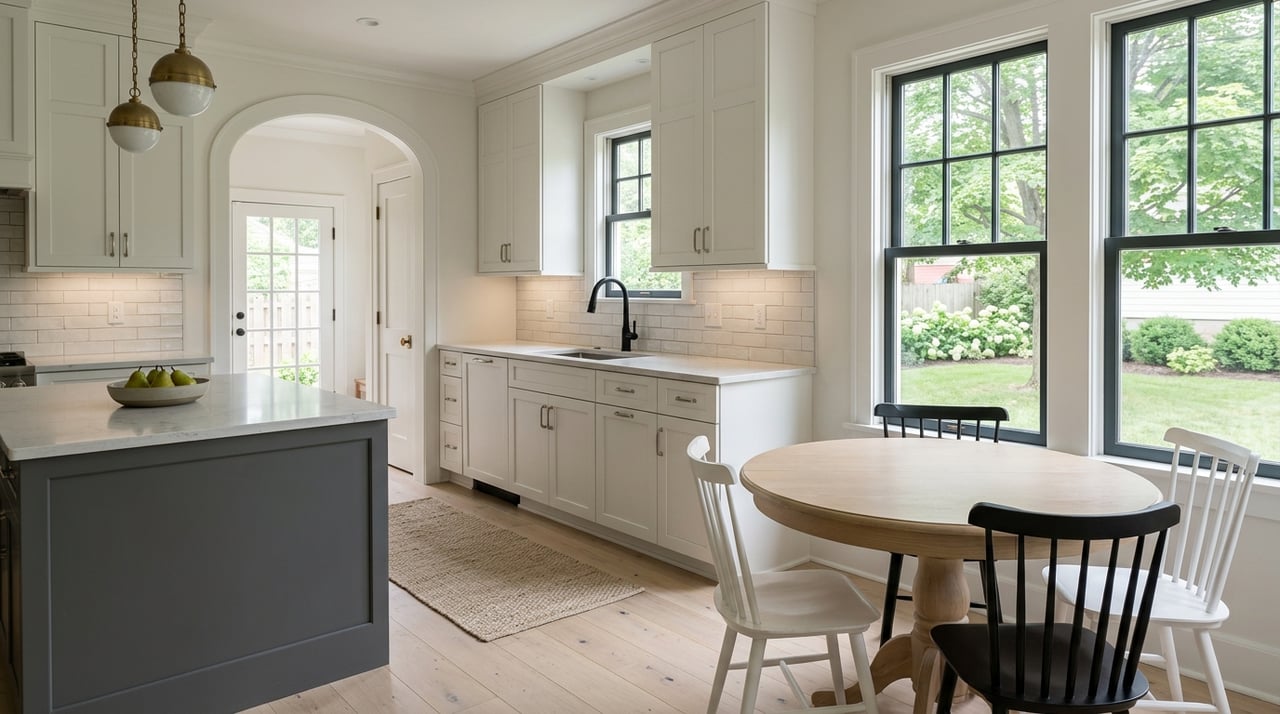
How much cash will you really need to close on a home in Downers Grove? It is one of the first questions smart buyers ask, and the answer is more than just your down payment. When you understand where the numbers come from, you can shop with confidence and avoid last-minute surprises.
In this guide, you will learn what buyer closing costs typically include, how local DuPage County items factor in, and what totals look like at three common price points. You will also get a step-by-step way to estimate your own cash to close. Let’s dive in.
What closing costs cover
Closing costs are the one-time expenses due at settlement that are separate from your down payment. Most buyers will see a mix of lender charges, third-party services, title and recording, prepaids and escrow deposits, plus any applicable local fees. Your exact totals depend on your loan, property type, and contract terms.
Loan-related charges
- Origination and underwriting fees. Many lenders charge a percentage of the loan amount, often about 0.25% to 1.0%.
- Discount points (optional). You can pay points to reduce your interest rate. Each point is typically 1% of the loan amount.
- Credit report and rate-lock fees. Credit pulls are usually a small flat fee. Rate-locks may be separate or included.
Third-party services
- Appraisal. Lenders require an appraisal to confirm value. In the suburbs this is often about $400 to $800.
- Home inspections. A standard inspection commonly runs $300 to $600. Extra inspections (radon, sewer, pest) add to the total.
- Survey (if required). Often $250 to $700, or waived if an existing survey is accepted.
- Title search, examination, and settlement. Combined title and closing services commonly range from $400 to $1,500.
Title insurance and recording
- Lender’s title insurance. Required with a mortgage; cost depends on the loan amount.
- Owner’s title insurance. Custom varies by market. In many Illinois suburbs sellers pay for the buyer’s owner’s policy, but this is negotiated. Confirm the local practice for Downers Grove.
- Recording fees. DuPage County charges to record the deed and mortgage. These are usually modest and vary by document and page count.
- Transfer taxes. In many Illinois areas the seller pays, but this can vary by municipality and negotiation. Ask your agent or title company what is typical in Downers Grove.
Prepaids and escrow deposits
- Prepaid interest. Covers interest from your closing date until your first mortgage payment.
- Homeowners insurance. Lenders usually require a first-year premium paid at or before closing, or an initial escrow deposit.
- Property tax escrow. Lenders often collect initial reserves. Amounts depend on the home’s annual taxes and timing.
- HOA fees. Some associations charge transfer or initiation fees. Amounts vary by community.
Government and other items
- Local recording and any municipal requirements. These are specific to the county or village.
- Special assessments. If applicable, you may need to fund current assessments not paid by the seller.
- Mortgage insurance items. If your down payment is under 20% or you use FHA/VA, there can be upfront premiums or initial escrow requirements.
Downers Grove and DuPage basics
Local practices can affect who pays what and how much you will deposit into escrow. Here are the items to confirm early.
Transfer taxes and who pays
Custom often assigns transfer taxes to the seller in many Illinois markets, but practices vary by municipality and negotiation. Ask your agent or title company about DuPage County and any Village of Downers Grove transfer tax rules for your specific contract.
Recording fees
DuPage County sets a recording fee schedule for deeds and mortgages. Buyers typically pay to record their mortgage and sometimes the deed. Your closing agent or the DuPage County Recorder can provide exact current charges.
Property tax escrow and prorations
DuPage property taxes are billed by multiple taxing districts and are typically collected semi-annually. Taxes are prorated at closing based on the closing date. Your lender’s initial escrow deposit will depend on the home’s annual tax amount and the billing cycle, which can make this line item several hundred to several thousand dollars.
HOA and condo transfer fees
If your home is in an HOA or condominium, plan for association transfer or application fees. Get the HOA’s fee schedule early in your contingency period so you can add the right figures to your estimate.
Owner’s title policy custom
In many suburban Illinois transactions, the seller pays for the buyer’s owner’s title insurance. This is not universal. Confirm current local custom in Downers Grove with your title company or attorney.
How to estimate your cash to close
A quick rule of thumb for buyer closing costs (not including your down payment) is about 2% to 5% of the purchase price, plus 0.25% to 1.0% for prepaids and escrow deposits. Use the steps below to build a more precise estimate.
Step-by-step checklist
Request your Loan Estimate. Your lender must provide this within three business days of application. Review origination, appraisal, credit, points, and prepaids.
Add inspection and survey quotes. Include a standard inspection and any specialized inspections you plan to order. Add a survey if needed.
Get a title fee estimate. Ask the title company for the title search, settlement fee, and lender’s title policy. Ask about owner’s policy custom for your deal.
Confirm recording and transfer items. Your closing agent can estimate DuPage recording fees and any applicable transfer taxes for your address.
Estimate taxes and insurance escrows. Use the seller’s recent tax bill or county records to estimate annual property taxes and your lender’s required reserves. Include your first-year homeowners insurance premium or initial deposit.
Check HOA fees. Ask the association for any transfer, initiation, or document fees for buyers.
Sanity-check with percentages. Compare your total to the 2% to 5% rule (plus 0.25% to 1.0% for prepaids). If you are far outside the range, review assumptions with your lender and title company.
Real-world examples in Downers Grove
The following are illustrative examples using common assumptions: conventional loan, 20% down, a lender origination fee of 0.5%, mid-range appraisal and inspection costs, and customary buyer-paid items. Actual figures vary by loan program, provider, and contract terms.
Example A: purchase price $375,000
- Loan amount (20% down): $300,000
- Lender origination (0.5%): $1,500
- Appraisal: $500
- Home inspection: $450
- Title search, closing, and exam: $900
- Lender’s title policy: $900
- Recording and county charges: $150
- Prepaid interest and escrow deposits: $1,500
- HOA transfer fees (if any): $0 to $400
Total estimate: roughly $5,000 to $6,500 (about 1.3% to 1.7%).
Example B: purchase price $525,000
- Loan amount (20% down): $420,000
- Lender origination (0.5%): $2,100
- Appraisal: $500 to $700
- Home inspection: $400 to $700
- Title search, closing, and exam: $900 to $1,400
- Lender’s title policy: $1,100 to $1,500
- Recording fees: $150 to $250
- Prepaid interest and escrow deposits: $2,000 to $3,500
- HOA transfer fees (if any): $0 to $500
Total estimate: roughly $8,150 to $10,650 (about 1.6% to 2.0%).
Example C: purchase price $750,000
- Loan amount (20% down): $600,000
- Lender origination (0.5%): $3,750
- Appraisal: $600 to $900
- Home inspection and specialty inspections: $500 to $1,200
- Title search, closing, and exam: $1,000 to $2,000
- Lender’s title policy: $1,500 to $2,500
- Recording fees: $150 to $350
- Prepaid interest and escrow deposits: $3,500 to $6,500
- HOA transfer fees (if any): $0 to $1,000
Total estimate: roughly $11,000 to $18,200 (about 1.5% to 2.4%).
Smart ways to manage costs
- Ask about seller credits. You can negotiate a seller credit toward closing costs as part of your offer. Lender limits may apply.
- Compare lender options. Fee structures vary. Review origination charges and rate options, including whether paying points makes sense for your time horizon.
- Time your closing date. Prepaid interest runs from your closing date to the first payment. A month-end closing can reduce that line item.
- Verify what the seller pays. In some transactions the seller pays for the owner’s title policy or certain transfer taxes. Confirm in writing so your estimate is accurate.
Your next steps
- Get your Loan Estimate from your lender and review the itemized costs, prepaids, and escrow deposits.
- Ask the title company for a title fee and lender’s policy estimate, and to confirm local custom for the owner’s title policy.
- Check DuPage recording fees and any Village of Downers Grove transfer requirements with your closing agent.
- Review the most recent property tax bill to estimate escrow needs, then price homeowners insurance for your target coverage.
- Confirm HOA transfer or application fees with the association.
- Three business days before closing, compare your Closing Disclosure to your earlier estimates and ask questions about any changes.
If you want a clear, local walkthrough of your cash to close, we are here to help. Reach out to the Wardlow Group for a personalized estimate, lender introductions, and step-by-step guidance from contract to keys.
FAQs
How much should a Downers Grove buyer save for closing?
- Plan for about 2% to 5% of the purchase price in buyer closing costs, plus 0.25% to 1.0% for prepaids and escrow deposits.
Who usually pays the owner’s title policy in Downers Grove?
- Custom varies; in many Illinois suburbs the seller pays the owner’s policy, but it depends on negotiation. Confirm for your contract.
Are DuPage property taxes due at closing for buyers?
- Taxes are typically prorated between buyer and seller at closing, and your lender may also collect an initial tax escrow deposit.
What local fees should I ask about in Downers Grove?
- Ask about DuPage recording fees, any village transfer tax or requirements, and HOA transfer or application fees if the home has an association.
How can I reduce out-of-pocket closing costs as a buyer?
- Consider negotiating a seller credit, comparing lender fees, timing your closing date for prepaid interest, and evaluating discount points only if the math works for you.