Are you wondering if staging your Westmont home is worth it, or if you should sell as-is and move on? You’re not alone. Many DuPage County sellers face this exact choice, especially as the market has cooled from the 2020–2021 rush. In this guide, you’ll get a simple framework to decide what fits your goals, what staging and light updates typically cost in our area, and when an as-is sale makes the most sense. Let’s dive in.
How to decide in Westmont
Your decision depends on three inputs: your goal, your home’s condition compared to neighborhood norms, and a basic cost vs. benefit model that includes carrying costs.
Start with your goal
- Maximize your net proceeds and expand your buyer pool: prioritize staging with targeted improvements.
- Close fast with minimal effort: consider selling as-is, often to investors or cash buyers.
- Balance price and convenience: choose light, high-impact refreshes and selective staging.
Price band and local comps
In Westmont and nearby Chicago suburbs, entry to mid-price segments draw the largest buyer pools. Presentation matters a lot to these buyers. Review recent comparable sales in your price band to see how well-presented homes performed. A high-end renovation that pushes beyond neighborhood norms often does not fully pay back at resale. Use comps to guide scope and avoid overcapitalizing.
Market context you should know
Mortgage rates rose starting in 2022, which reduced buyer urgency and extended average days on market in many suburban areas. With buyers taking more time to compare, accurate pricing and strong presentation carry more weight. Local metrics like median sale price, months of inventory, and days on market from MLS data help you time and tailor your prep. Your listing agent can pull recent Westmont comps and neighborhood-level data so you can model likely outcomes.
When staging pays off
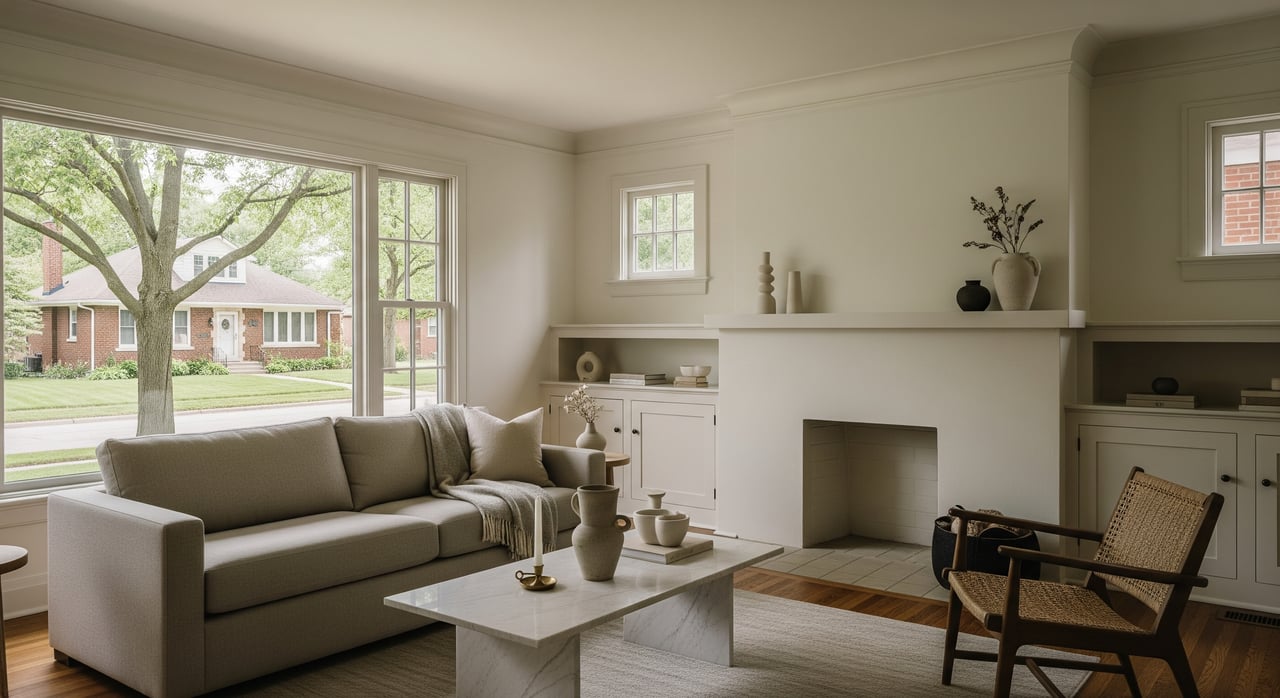
Staging has the strongest payoff when most issues are cosmetic, the layout and light are solid, and you are competing in a price range where buyers shop with emotion and compare photos online.
Consider staging if:
- Major rooms look cluttered, dated, or empty in photos.
- The home’s condition is good overall, with mostly cosmetic updates needed.
- Nearby homes that show well are selling faster or for a premium.
- The expected price uplift or stronger offer terms outweigh staging costs and carrying time.
What to stage first:
- Living room and dining area to define flow and scale.
- Primary bedroom to signal comfort and space.
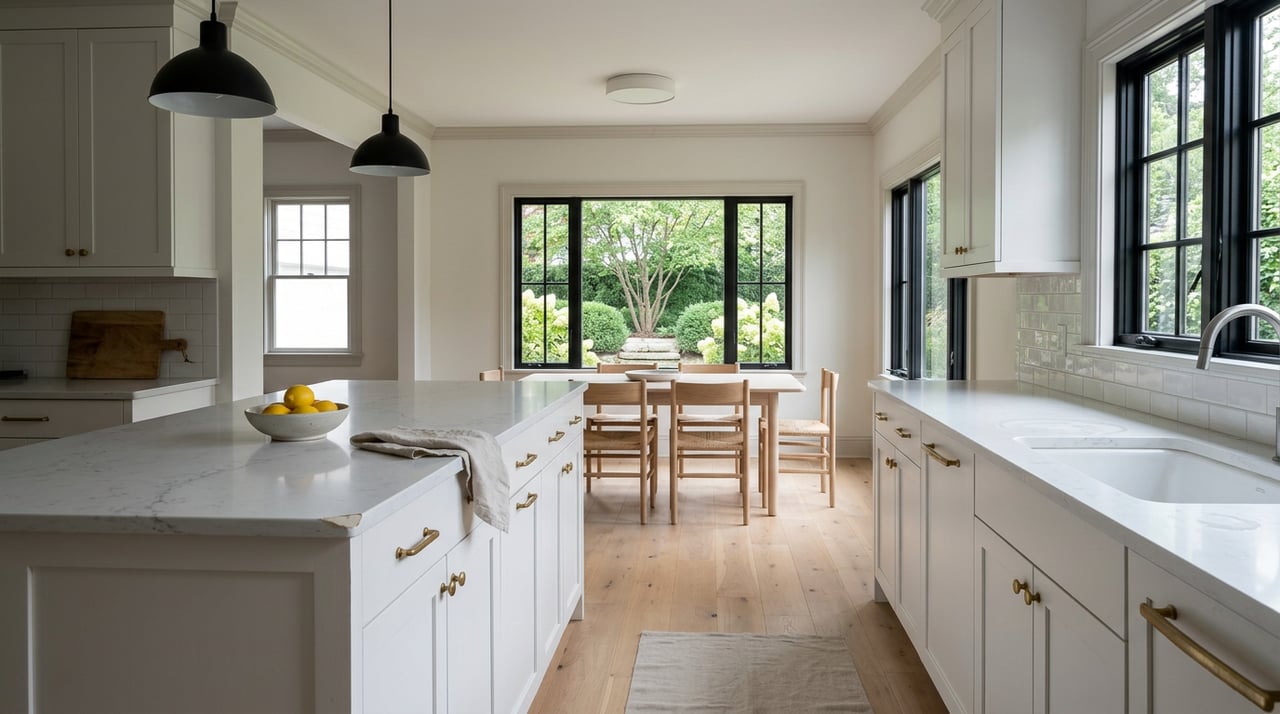
- Kitchen styling to highlight counters, storage, and light.
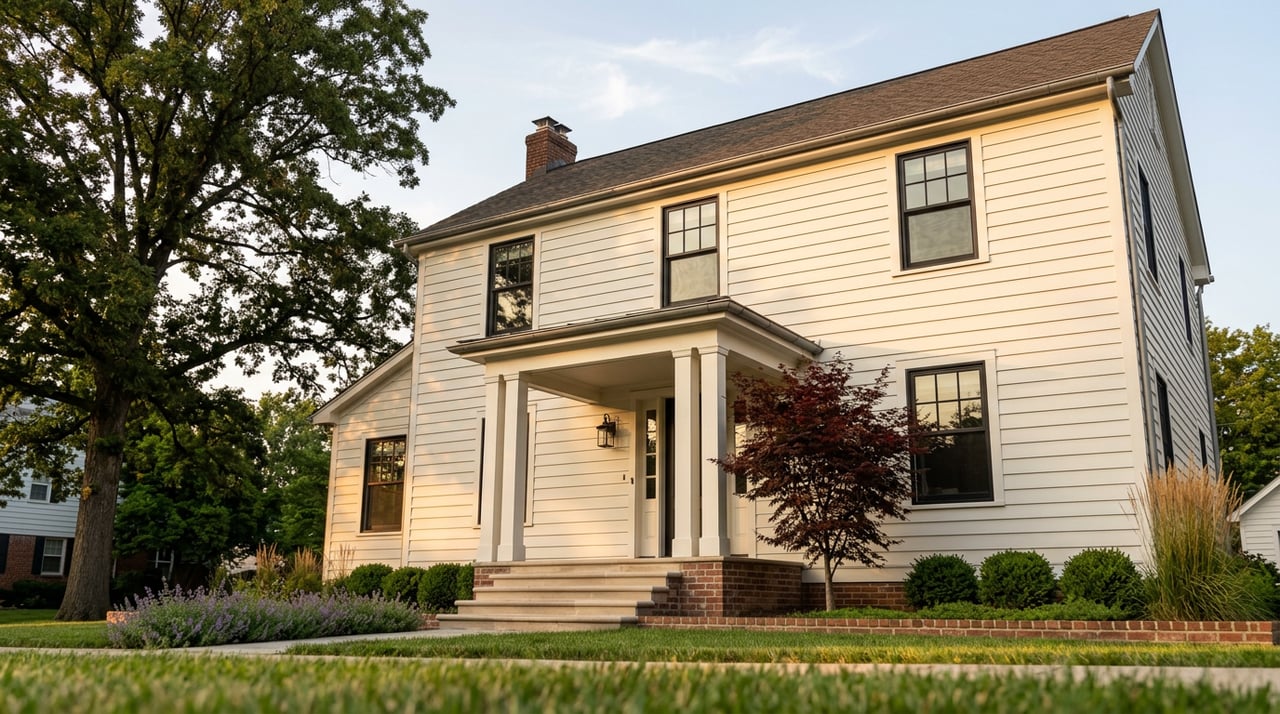
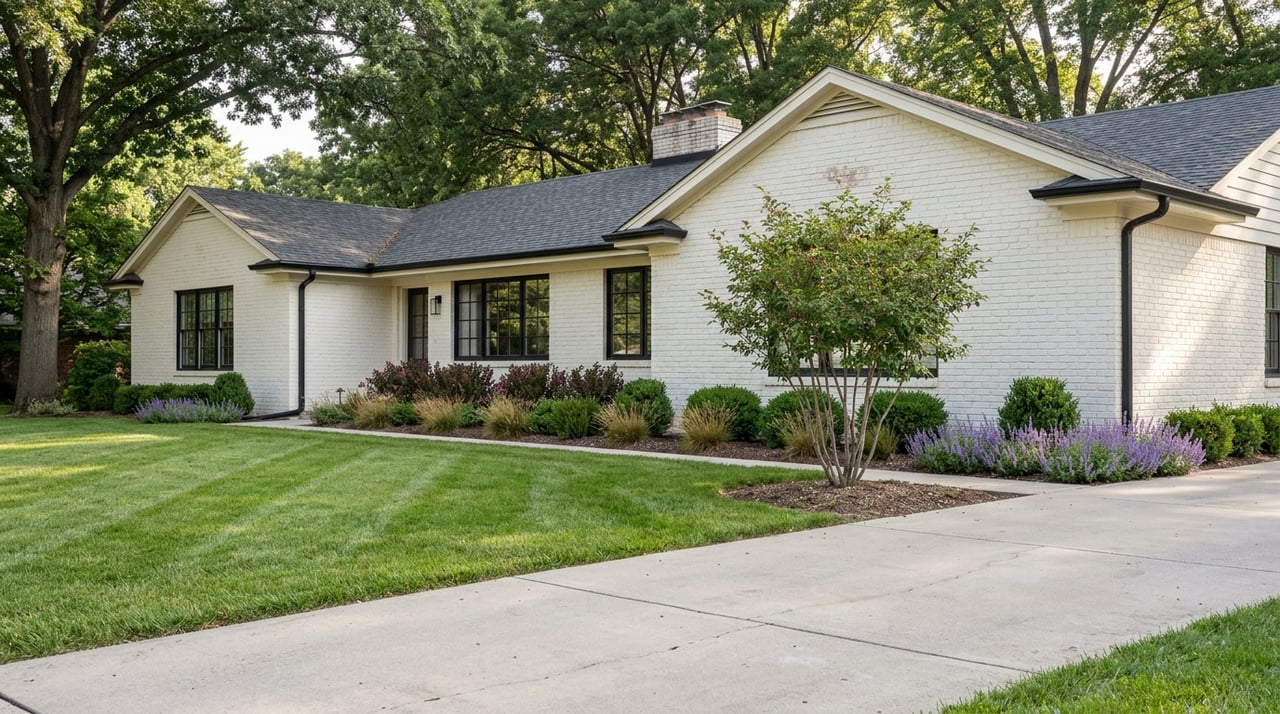
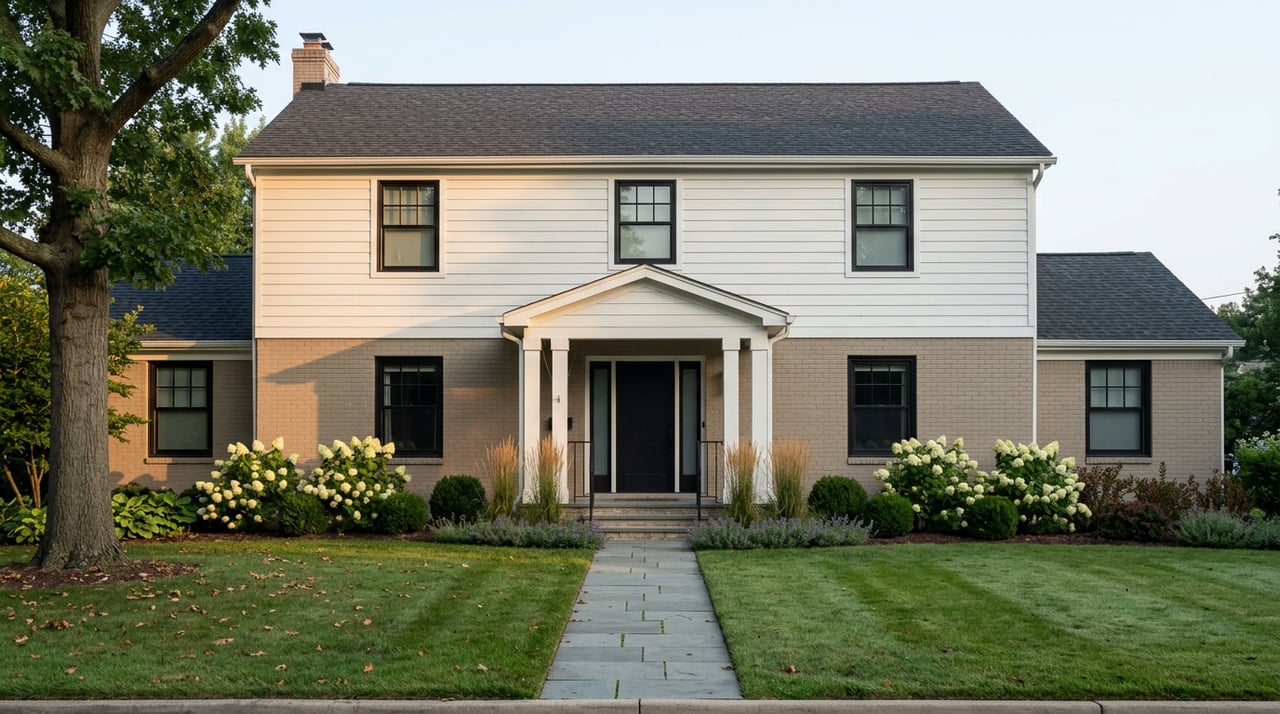
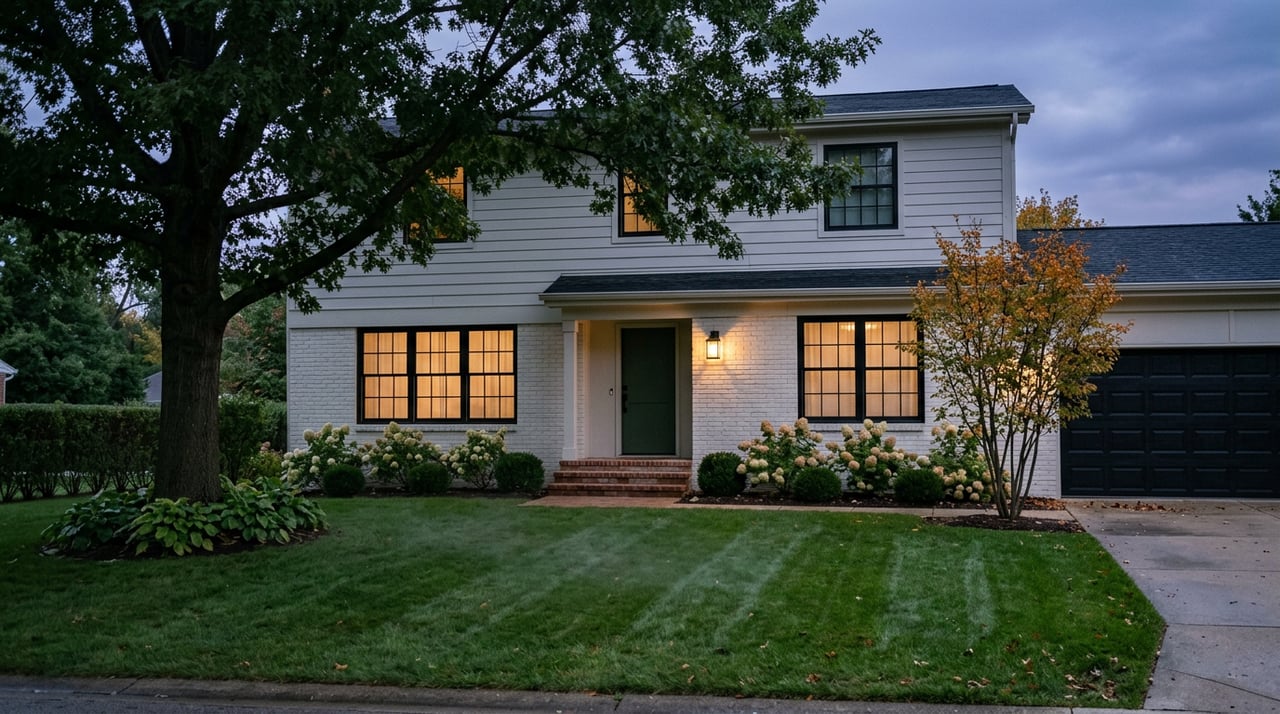
- Entry and curb appeal for a strong first impression.
Tip: Even partial staging or professional styling of key rooms can change buyer perception and improve photography, which drives online traffic early in the listing.
Light refresh vs. full renovation
Light refreshes often deliver the best risk-adjusted return. They are faster, lower cost, and less invasive than gut remodels, and they help you compete with updated listings.
Choose light refreshes when:
- The main issues are paint, flooring wear, fixtures, minor repairs, or curb appeal.
- Kitchens and bathrooms are serviceable, even if not new.
- Comps suggest modest updates are enough to reach the price band you want.
High-impact refresh ideas:
- Neutral interior repaint in key rooms.
- Deep clean, carpet shampoo, or new affordable flooring.
- Swap dated lighting and cabinet hardware.
- Simple kitchen updates like painted cabinets and new counters at budget levels.
- Curb appeal tune-ups: mulch, trim shrubs, power wash, and front door paint.
When to skip full renovations:
- If the cost would exceed the likely resale lift in your neighborhood.
- If permits and timelines would push you past your target listing window.
- If a major upgrade would price you above the local comp band buyers are willing to pay.
When selling as-is makes sense
An as-is sale can be the smart path if speed matters or if repair costs would not come back in the final price.
Consider as-is if:
- There are significant structural or systems issues that are costly and time-consuming to fix.
- You are handling a relocation or estate and want a quick, low-hassle close.
- Investor interest is active for similar fixer homes in your area at acceptable net proceeds.
Keep in mind:
- As-is does not block buyers from inspections. It simply signals you are not making repairs, which often steers interest toward cash or investor financing.
- Compare net proceeds after fees, prep costs, and carrying costs. A lower cash offer that closes fast can sometimes beat a higher financed offer with longer timelines.
What staging and refresh cost in DuPage County
Actual costs depend on home size and vendor rates, but these suburban Chicago ranges can help you plan.
Staging:
- Consultation: $150 to $600.
- Partial or virtual staging and styling: $500 to $2,000.
- Full physical staging: install plus first month often $2,000 to $6,000, then monthly rental that can range $75 to $400 or more per room.
- Timeline: install is typically 24 to 72 hours once furnishings are ready, then photos immediately after.
Light refreshes:
- Interior repaint for key rooms: $1,500 to $6,000.
- Deep cleaning and carpet shampoo: $200 to $800.
- Minor repairs: $200 to $5,000 depending on scope.
- Kitchen refresh: $3,000 to $15,000 for painted cabinets, new hardware, and budget counters.
- Curb appeal: $300 to $5,000.
- Timeline: about 3 days to 2 weeks if contractors are available.
Major projects:
- Full kitchen: $20,000 to $100,000 or more.
- Full bathroom: $10,000 to $50,000 or more.
- Roof, HVAC, foundation and similar work vary widely, often $5,000 to $50,000 or more, plus permit time.
Carrying and selling costs:
- Include mortgage interest, taxes, utilities, insurance, monthly staging fees, commissions, and closing costs in your model.
A simple breakeven example:
- Expected list price without staging: $350,000.
- Staging investment: $3,000.
- If staging raises the achieved price by 2 percent (about $7,000), the gross gain before extra carrying costs is $4,000. Add carrying time and fees to confirm true net.
How concierge prep can help
A concierge-style prep program streamlines work and compresses timelines with a single point of contact and coordinated vendors.
Typical features:
- One project manager who handles painters, cleaners, landscapers, stagers, and photographers.
- Bundled services like declutter help, deep clean, paint touchups, minor repairs, staging, and professional photos.
- Some programs offer to front costs with repayment at closing, subject to terms.
- Priority scheduling that reduces vendor delays and gaps between tasks.
Timeline impact:
- Parallel scheduling gets you to market sooner. Painting and landscaping can happen at the same time, then staging and photography follow right away.
- A well-run program can cut pre-listing prep from multiple weeks to several days or up to two weeks, depending on scope and vendor availability.
Market impact:
- Listing faster with show-ready photos helps you hit the market while comps and pricing are current. Strong presentation can spark more early showings and interest.
- Faster prep may lower carrying costs and reduce the chance of price adjustments that come from delays.
Questions to ask any concierge provider:
- Do you front costs or do I pay upfront, and what are the repayment terms?
- Can you share local before and after examples in DuPage County, plus data on days on market and outcomes?
- How are contractors vetted and what warranties, if any, apply to repairs?
- Who owns the staging furniture and how are damages handled?
- What is the expected timeline from sign-up to going live?
A simple Westmont pre-listing plan
- Pull 6 to 12 months of Westmont comps in your price band, including active, pending, and sold. Note condition and presentation.
- Walk the home and classify it: cosmetics only, minor repairs, or major systems/structural work.
- Price out targeted items like paint, staging, and curb appeal, then model the expected price lift minus costs and carrying time.
- Choose a staging level: consultation, partial, or full. Schedule work before photos.
- Set a calendar: contractors, staging install, professional photography, and listing activation.
Appraisal and financing notes
- Appraisers lean on comparable sales and objective condition. Staging shapes buyer perception, but appraisals still track comps.
- Major deferred maintenance can hurt appraisals and financing options.
- Selling as-is can draw more cash and investor interest. It can also streamline negotiations, since repairs are not part of the deal.
Investor and cash buyer tradeoffs
- Pros: faster closings, fewer repair requests, less prep work.
- Cons: lower prices than a move-in-ready home marketed to owner-occupants.
- Always compare net proceeds after fees and carrying costs, not just the top-line offer.
Bottom line for Westmont sellers
If your home is in generally good shape, light refreshes and smart staging often deliver the best return in Westmont’s entry to mid-market price bands. If your timeline is tight or repair costs are heavy, an as-is sale can protect your net and your schedule. The right answer is the one that aligns with your goals, your home’s true condition, and what local comps show buyers will pay.
Ready to see which path fits your home and your timeline? Reach out to the Wardlow Group for a local pricing consult and a tailored prep plan.
FAQs
What does “sell as-is” mean in Westmont real estate?
- It means you are listing the property in its current condition. Buyers can inspect, but you are not agreeing to repairs. This often targets cash or investor buyers.
How much does professional home staging cost near Westmont?
- Many single-family homes see install plus the first month between $2,000 and $6,000. Partial or virtual staging can be $500 to $2,000, with consultations from $150 to $600.
Which updates have the best return before selling in DuPage County?
- Neutral paint, flooring refresh, updated lighting and hardware, and curb appeal tune-ups often punch above their cost. Full remodels rarely recoup dollar for dollar unless they move the home into a higher comp tier.
Will staging guarantee a higher sale price in Westmont?
- No guarantee, but staging often improves photos, traffic, and offer strength. Final price still depends on comps, pricing strategy, and property condition.
How long does pre-listing prep usually take with a concierge service?
- With coordinated vendors, many projects go from sign-up to listing-ready in several days to about two weeks, depending on scope and availability.
Should I stage an empty home or leave it vacant?
- Staging key rooms in a vacant home helps buyers understand scale and flow, improves photography, and can increase perceived value compared to empty rooms.