Thinking about a townhome or a single-family home in Westmont and not sure which makes more financial sense? You’re not alone. Between HOA fees, DuPage County taxes, insurance, utilities, and maintenance, the true monthly carry can look different than the listing price suggests. In this guide, you’ll learn how to compare total ownership cost and what tends to drive resale performance for each option in Westmont. Let’s dive in.
Total cost of ownership: what to include
When you compare a townhome to a single-family home, build your budget around all the costs you will actually pay each month.
- Principal and interest: Based on your loan amount, rate, and term. Down payment and PMI will affect this.
- Property taxes: DuPage County taxes are a major line item. Verify actual annual taxes and any exemptions for each property.
- HOA or condo assessments: Townhomes often include monthly dues, plus the possibility of special assessments.
- Insurance: Single-family typically uses an HO-3 policy. Townhomes usually use an HO-6 unit policy that coordinates with the HOA’s master policy.
- Maintenance and repairs: Routine upkeep plus bigger replacements over time.
- Utilities: Electricity, natural gas, water/sewer, trash, and internet.
- Replacement reserves: Your own savings for future repairs, or the HOA’s reserves for shared elements.
- Transaction and opportunity costs: Association transfer fees, potential special assessments, and seller concessions at resale.
Westmont cost patterns: townhome vs single-family
Every property is different, but here are typical patterns to expect in Westmont and the broader DuPage market. Always replace ranges with real quotes and documents for the homes you’re comparing.
HOA assessments and what they cover
Townhome HOA fees vary widely. Complexes without amenities may charge on the lower end, while communities with amenities or extensive exterior obligations can fall higher. Your due diligence should confirm:
- What the HOA covers: Roofing, exterior, landscaping, snow removal, and common utilities vary by association.
- Reserve health and planned projects: Budgets, reserve studies, and meeting minutes reveal risk of special assessments.
- Rules and fees: Rental limits, pet rules, parking, and transfer fees affect both ownership and resale.
DuPage County property taxes
Property taxes are a major cost in Illinois and vary by taxing district. Two homes on adjacent streets can have different tax bills due to school and municipal boundaries. Check the property’s parcel history and any exemptions. Expect taxes to materially impact your monthly carry and your qualifying numbers.
Insurance differences that matter
- Single-family: HO-3 policies typically cost more because they cover the structure and exterior. Rates depend on replacement cost and claims history.
- Townhome: HO-6 policies are often lower because the HOA’s master policy covers certain exterior elements. Your cost hinges on how the master policy defines coverage (bare walls, single-entity, or all-in). Confirm the master policy and deductible exposure before you budget.
Utilities and maintenance
- Utilities: Single-family homes usually have higher utility usage than attached units because of larger space and more exposure. Seasonal heating costs in Illinois can be significant.
- Maintenance: A common rule of thumb for single-family homes is 1 to 3 percent of property value per year for routine and small capital repairs. Townhome owners often have a lower direct maintenance burden if the HOA covers exteriors, though you still need an owner allowance for interior systems and items not covered by the HOA.
Resale outlook in Westmont
Resale depends on demand, supply, and how carry costs shape buyer budgets. Keep these patterns in mind when comparing property types locally.
- Buyer pool: Single-family homes tend to attract a broad buyer pool seeking yards, garages, and flexible space. Townhomes often appeal to first-time buyers, commuters who want low maintenance, and downsizers.
- Appreciation: In many suburban markets, single-family homes have historically appreciated faster than attached homes because land value drives a larger share of price. Townhomes can lag in slower markets, but they can shine when affordability and low maintenance are in demand.
- Sensitivity to fees: Higher HOA dues can compress buyer purchase power, which may slow resale if competing options offer similar space without the same monthly fee.
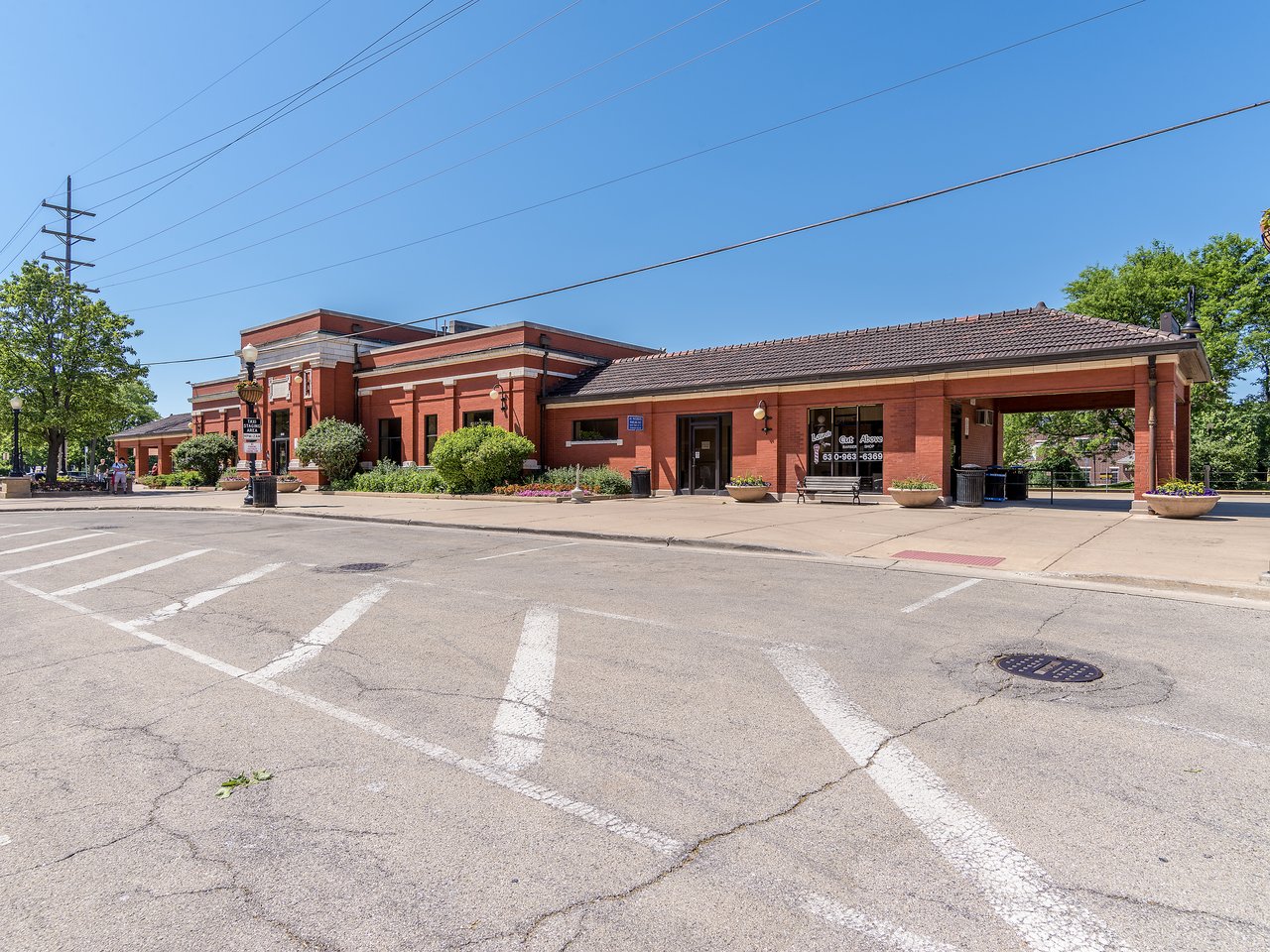
- Westmont specifics: Proximity to Metra service, major roads, and employment corridors can boost demand for both townhomes and single-family homes. Neutral factors like district boundaries, lot size, garage capacity, and outdoor space also influence resale.
Which buyer wins with each option
Choosing between a townhome and a single-family home is about lifestyle, budget, and your time horizon.
Townhome fit: when it makes sense
You might lean toward a townhome if you want lower exterior maintenance and a predictable monthly HOA that covers many services.
Checklist:
- You value low maintenance and a lock-and-leave lifestyle.
- You want a lower entry price than nearby single-family options.
- You plan to stay long enough to minimize transaction costs, but you want flexibility if work or lifestyle changes occur.
- You are comfortable reviewing HOA budgets, reserves, and rules.
Advantages:
- Often lower purchase price for the location.
- Lower owner-responsible exterior costs if the HOA covers them.
- Potentially lower insurance with an HO-6 policy.
Risks:
- Special assessments if reserves are underfunded.
- Limited control over exteriors and projects.
- A narrower resale pool in some cycles and possible rental restrictions.
Single-family fit: when it makes sense
You might lean toward a single-family home if you want maximum control and the broadest buyer pool at resale.
Checklist:
- You prefer a yard, garage capacity, and more privacy.
- You value long-term appreciation tied to land and lot.
- You are prepared for higher maintenance and potentially higher utilities.
- You want flexibility for future modifications or additions.
Advantages:
- Broad buyer pool and flexible use.
- Historically stronger appreciation tied to land value in many suburban markets.
- No monthly HOA dues.
Risks:
- Higher maintenance burden and costs.
- Often higher insurance and property taxes than a similarly located townhome.
- Seasonal responsibilities like snow and landscaping.
Run your numbers: a simple worksheet
Use this worksheet to estimate your monthly carry for each property you’re comparing. Replace example values with quotes and documents for the specific home.
Inputs
- Purchase price = [INPUT]
- Down payment (%) = [INPUT]
- Loan amount = Purchase price − down payment
- Interest rate (annual) = [INPUT]
- Loan term (years) = [INPUT]
- Annual property tax = [INPUT]
- Annual homeowner insurance (HO-3) = [INPUT]
- Annual condo/townhome insurance (HO-6) = [INPUT] (if applicable)
- Monthly HOA/assessment = [INPUT] (0 if single-family)
- Monthly utilities (electric) = [INPUT]
- Monthly utilities (gas) = [INPUT]
- Monthly water/sewer/trash = [INPUT]
- Monthly maintenance allowance = [INPUT]
- Monthly PMI (if applicable) = [INPUT]
- Monthly special assessments (if known) = [INPUT]
Formulas (monthly)
- Principal & Interest (P&I) = Mortgage payment based on loan amount, rate, term
- Monthly property tax = Annual property tax ÷ 12
- Monthly insurance = Annual insurance ÷ 12
- Monthly maintenance = Annual maintenance allowance ÷ 12
- Total monthly carry = P&I + monthly property tax + monthly insurance + HOA + monthly utilities (electric+gas+water) + monthly maintenance + PMI + monthly special assessments + other fees
Example (hypothetical)
- Purchase price = 300,000 dollars
- Down payment = 60,000 dollars (20 percent) → Loan = 240,000 dollars
- Interest rate = 6.5 percent, term = 30 years → P&I ≈ 1,517 dollars
- Annual property tax = 6,000 dollars → monthly = 500 dollars
- Annual homeowner insurance = 1,200 dollars → monthly = 100 dollars
- HOA = 250 dollars per month (townhome example) or 0 dollars (single-family)
- Utilities = 250 dollars per month (townhome) vs 350 dollars per month (single-family)
- Maintenance allowance = single-family: 1.5 percent of purchase price per year = 4,500 dollars per year → 375 dollars per month; townhome owner portion maybe 100 dollars per month beyond HOA services
- PMI = 0 dollars with 20 percent down
Total monthly carry (townhome example) ≈ 1,517 + 500 + 100 + 250 + 250 + 100 = 2,717 dollars
Total monthly carry (single-family example with no HOA) ≈ 1,517 + 500 + 100 + 350 + 375 = 2,842 dollars
Use these figures only as a template. Get exact numbers for each address from tax records, HOA documents, your lender, insurance quotes, and the seller’s utility bills.
Due diligence for Westmont buyers
For both property types
- Pull recent comparable sales for the last 6 to 12 months to understand pricing and absorption.
- Ask the seller for the last 12 months of utility bills and recent maintenance records.
- Verify current property taxes and exemptions, plus recent tax history.
- Review the seller’s property disclosure and permit history for major work.
- Order a full home inspection; add specialty inspections if needed.
- Obtain title and survey, and check for easements and encroachments.
- Review flood maps and local flood programs.
Additional for townhomes
- Obtain the full HOA packet: budget, reserves or reserve study, bylaws, insurance declarations, meeting minutes, violation history, and any litigation.
- Confirm master insurance coverage and deductible structure.
- Review rental rules, pet policies, parking, and transfer fees.
Additional for single-family
- Confirm municipal utility connections and any code or yard violations.
- Inspect lot lines, driveway, fencing, and any exterior structures.
How to choose with confidence
- Clarify priorities: yard and flexibility vs lower maintenance and HOA services.
- Compare carry costs side by side using the worksheet, including taxes, insurance, utilities, and maintenance.
- Assess resale drivers: location near transit, lot features, garage capacity, outdoor space, and how monthly fees may affect buyer demand.
- Match your time horizon: if you plan to stay longer, single-family appreciation tied to land may matter more; if you anticipate moving sooner, lower maintenance and an easier carry may be more practical.
When you want a clear, numbers-first comparison for Westmont options, we can help you gather the right documents, read the HOA budget, and price your decision against current inventory. If you’re ready to talk strategy or want a custom monthly-carry breakdown for specific addresses, reach out to the Wardlow Group. Get your free home valuation or see off-market listings.
FAQs
What costs should I compare between a Westmont townhome and a single-family home?
- Compare P&I, property taxes, HOA dues and special assessments, insurance (HO-3 vs HO-6), utilities, maintenance, and any lender-required PMI.
How do HOA dues affect my mortgage qualifying in Westmont?
- Lenders include HOA dues in your debt-to-income calculation, which can reduce the home price you qualify for even if the list price is similar.
Are DuPage County property taxes higher for single-family homes than townhomes?
- Taxes depend on the specific parcel and taxing districts, not the property type; verify the actual annual tax bill and exemptions for each address.
Do townhomes in Westmont usually have lower insurance costs?
- Often yes, because HO-6 policies coordinate with the HOA’s master policy, but your cost depends on the master coverage and your unit’s interior finishes.
Which resells faster in Westmont: a townhome or a single-family home?
- It varies by market cycle and location; single-family homes often draw a larger buyer pool, while townhomes can do well when affordability and low maintenance are in demand.
How much should I budget for maintenance on a single-family home?
- A common rule of thumb is 1 to 3 percent of the home’s value per year, adjusted for age, condition, and recent updates, then divided by 12 for a monthly estimate.