Downers Grove Historic Homes vs New Construction
April 23, 2026
April 23, 2026
Wondering whether a historic home or new construction is the better fit in Downers Grove? You are not alone. This is one of the most practical choices buyers face in a village with both older character homes and newer builds in the same market. If you are weighing charm, maintenance, efficiency, and long-term value, this guide will help you compare both paths with local context in mind. Let’s dive in.
Downers Grove gives you a real mix of housing options, not a one-size-fits-all market. According to the CMAP Downers Grove housing profile, the median year built is 1974, with homes ranging from pre-1940 properties to houses built in 2000 or later.
That variety matters when you start your search. You may be deciding between a home with original architectural details and a front porch, or a newer property with modern systems and a more predictable maintenance outlook. In a community with a 75.2% owner-occupied housing rate, many buyers are thinking beyond the purchase itself and focusing on how a home will work for years to come.
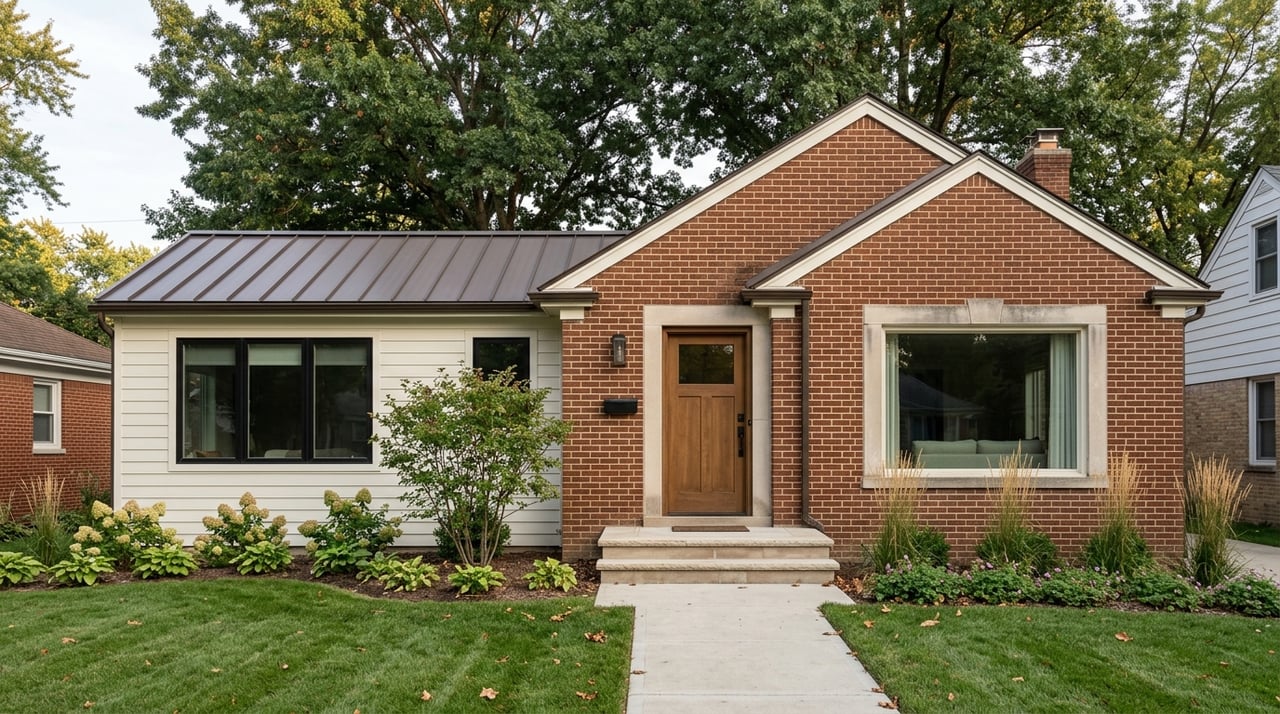
Historic homes in Downers Grove often stand out because they feel distinct. They can offer architectural detail, established streetscapes, and layouts that reflect a different era of home design.
The Village highlights that historic districts help preserve older homes and maintain a sense of time and place. It also notes that these districts can help support property values in areas where older homes still retain original architectural characteristics, as explained on the Village’s historic preservation page.
Downers Grove has a notable collection of older homes, including nearly 150 Sears catalog homes, which the Village says is one of the largest collections in Illinois. The Village’s Sears Homes self-tour brochure notes that many of these homes were built between 1908 and 1940.
These homes often include features buyers still love today, such as full-width porches, breakfast nooks, connected living and dining rooms, sun parlors, and designs made for narrower lots. Some original floor plans were customized, and many homes have since been expanded or remodeled, which means you may find a blend of old and new in one property.
If you are exploring older housing stock, some of the locally identified historic survey areas include Denburn Woods, Shady Lane Estates, E.H. Prince Subdivision, and the Maple Ave./Main St. corridor. These areas were part of the Village’s 2013 historic building survey, which covered 865 properties, according to the Village’s historic preservation resources.
That does not mean every home in these areas has the same status or review requirements. It does mean these parts of Downers Grove are important to the village’s historic housing story and are worth understanding if character is high on your list.
The appeal of an older home is real, but so are the responsibilities. If you love historic charm, you also need to be comfortable with the possibility of more maintenance, renovation planning, and local review requirements.
HUD notes in its guidance on energy-conserving features in older homes that older houses can include design features that support efficiency, but many do not have modern mechanical systems unless they have been updated. In practical terms, that means one older home may feel move-in ready while another may need major system upgrades over time.
In Downers Grove, certain exterior changes to historic properties may require review. The Village states that front-facade window and door replacement, demolition, street-visible additions, attached garages, and roof changes that alter height or pitch can trigger review by the Historic Preservation Design and Review Board.
For some buyers, that added process is worth it because it helps preserve the home’s architectural character. For others, it may feel restrictive. The key is knowing what level of flexibility you want before you buy.
When you look at a historic or older property, it helps to think in three budget buckets:
This framework can keep you from focusing only on the list price. A home with lower upfront cost may still require more spending in the first few years, especially if systems or exterior components need attention.
New construction attracts buyers who want a more current baseline for systems, efficiency, and code compliance. In Downers Grove, this is not just a future trend. The Village has active new-build activity, including a proposed 36-home single-family subdivision north of 39th Street listed in an August 2025 Village agenda.
The Village also states on its permit page that new buildings are reviewed to ensure they meet local, state, and national standards. That gives buyers an important baseline as they compare older homes to new ones.
One of the clearest differences between older homes and new construction is the energy-code framework. The Illinois EPA explains that energy codes create uniform, enforceable requirements for new buildings and help control energy costs.
The Illinois Capital Development Board states that residential buildings must comply with the Illinois Energy Conservation Code, with the current base code identified as the 2024 IECC as amended, effective November 30, 2025. For buyers, that usually means a stronger starting point for insulation, air sealing, and overall system performance than you may find in an older home that has not been fully updated.
It is important to avoid assuming all new homes are automatically the same. Some go beyond code minimums. If a home is ENERGY STAR certified, EPA says it must meet strict efficiency requirements and is designed and built better from the ground up for energy efficiency and performance.
That does not mean every new build will carry that certification. It does mean buyers should ask specific questions about insulation, windows, HVAC performance, and any third-party efficiency verification.
A newer home can reduce the chances of immediate repair projects, but it may come with a different cost profile. Buyers often trade more character and architectural variation for newer materials, modern floor plans, and lower near-term maintenance pressure.
You may also find that newer homes have a higher entry price. For many buyers, that trade makes sense if the priority is predictability, lower repair risk in the first few years, and a more modern day-to-day living experience.
Here is a practical way to think about the difference as you search in Downers Grove.
| Factor | Historic Home | New Construction |
|---|---|---|
| Style and feel | Period details and established character | Modern finishes and current layouts |
| Systems and efficiency | May depend on updates already completed | Built to current code baseline |
| Maintenance outlook | Can require more planning and reserve funds | Often fewer near-term repair projects |
| Exterior changes | May involve Village historic review | Typically follows standard permit process |
| Buyer fit | Best for buyers who value charm and are comfortable with upkeep | Best for buyers who prioritize efficiency and predictability |
The best choice usually comes down to how you live and what kind of ownership experience you want. Neither option is automatically better. It depends on your priorities.
A historic Downers Grove home may be the better fit if you:
New construction may be the better fit if you:
In Downers Grove, this decision is not just about age. It is about block-by-block context, the condition of a specific property, possible review requirements, and the real cost of ownership after closing.
That is where local market knowledge makes a difference. When you understand how a home fits into the village’s broader housing mix, preservation framework, and new-build pipeline, you can make a clearer decision and avoid surprises.
If you are comparing historic homes and new construction in Downers Grove, the Wardlow Group can help you evaluate inventory, understand local factors, and find the right fit for your budget and long-term plans.
Stay up to date on the latest real estate trends.

Property Taxes in DuPage County: What Buyers Must Know
How to Start the Home Buying Process in Downers Grove

Etiam non quam lacus suspendisse faucibus interdum. Orci ac auctor augue mauris augue neque. Bibendum at varius vel pharetra. Viverra orci sagittis eu volutpat.