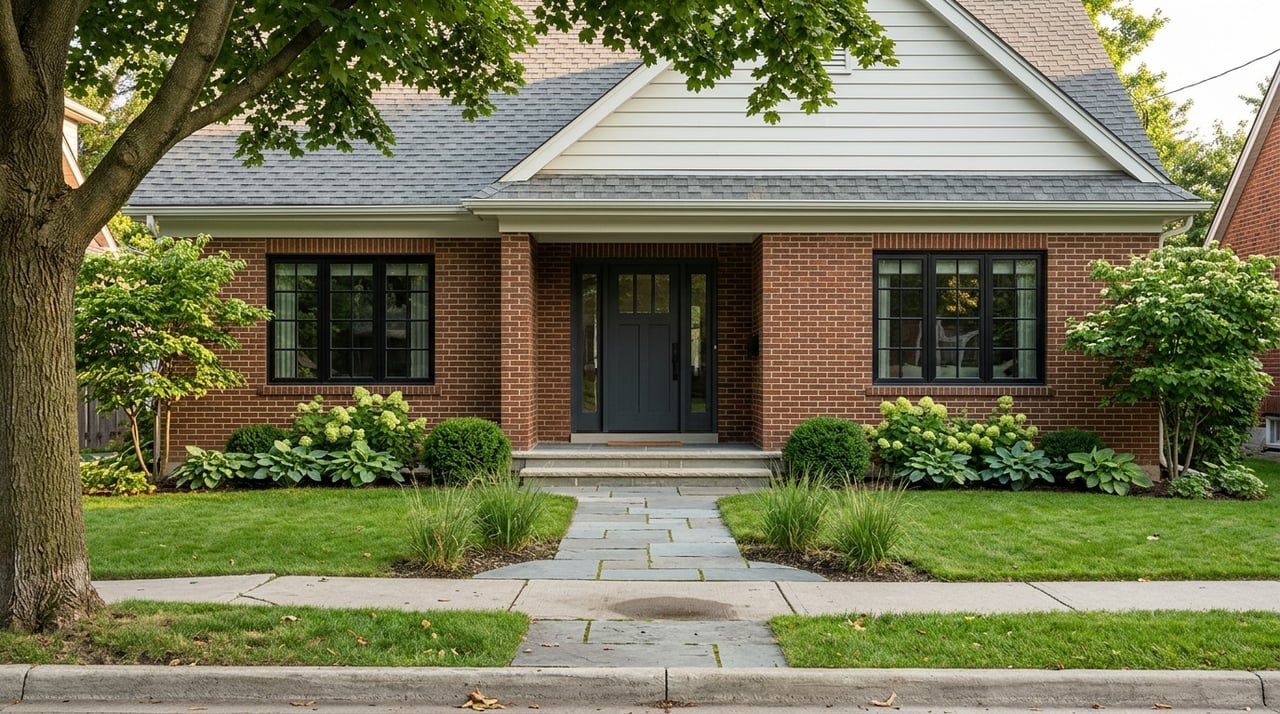
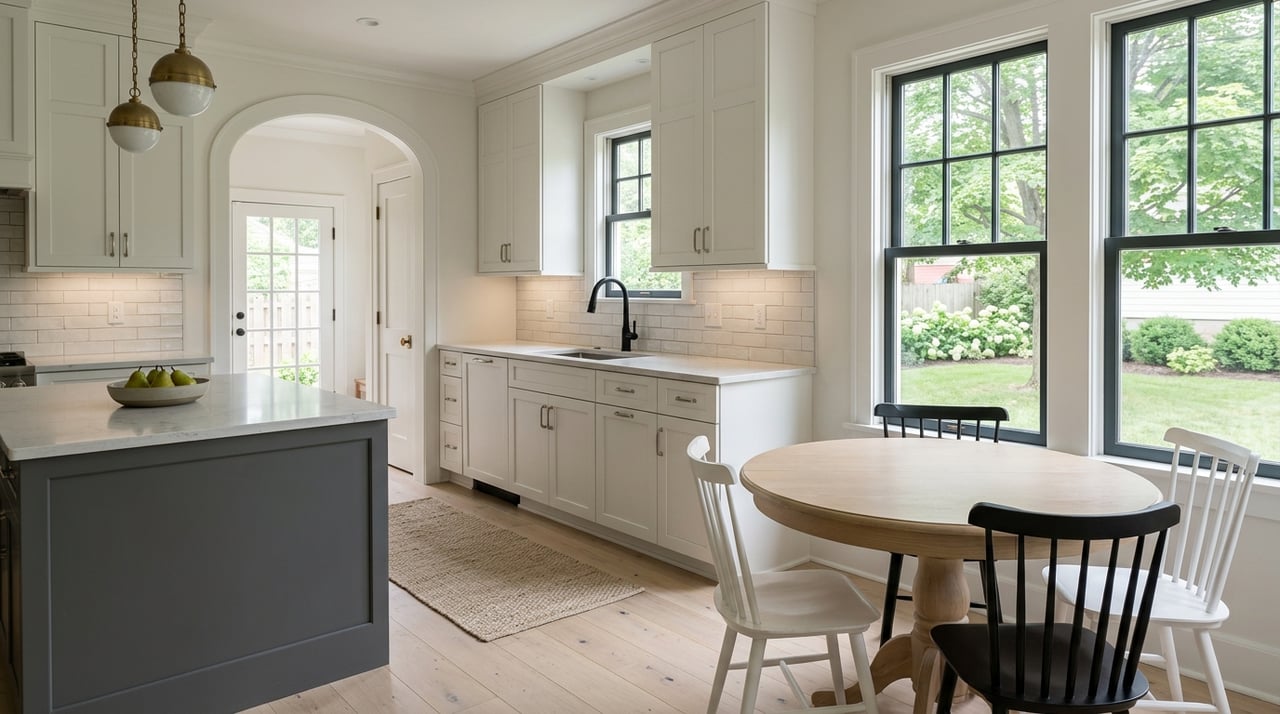
If you work in or visit downtown Chicago, the Elmhurst Metra connection likely sits near the top of your must‑have list. You want a reliable, predictable commute and a home that fits your daily rhythm, from school drop‑offs to evening activities. In this guide, you’ll learn how proximity to the Union Pacific West Line, station parking, and walkability can shape both your budget and your lifestyle in Elmhurst. Let’s dive in.
How the Metra shapes daily life
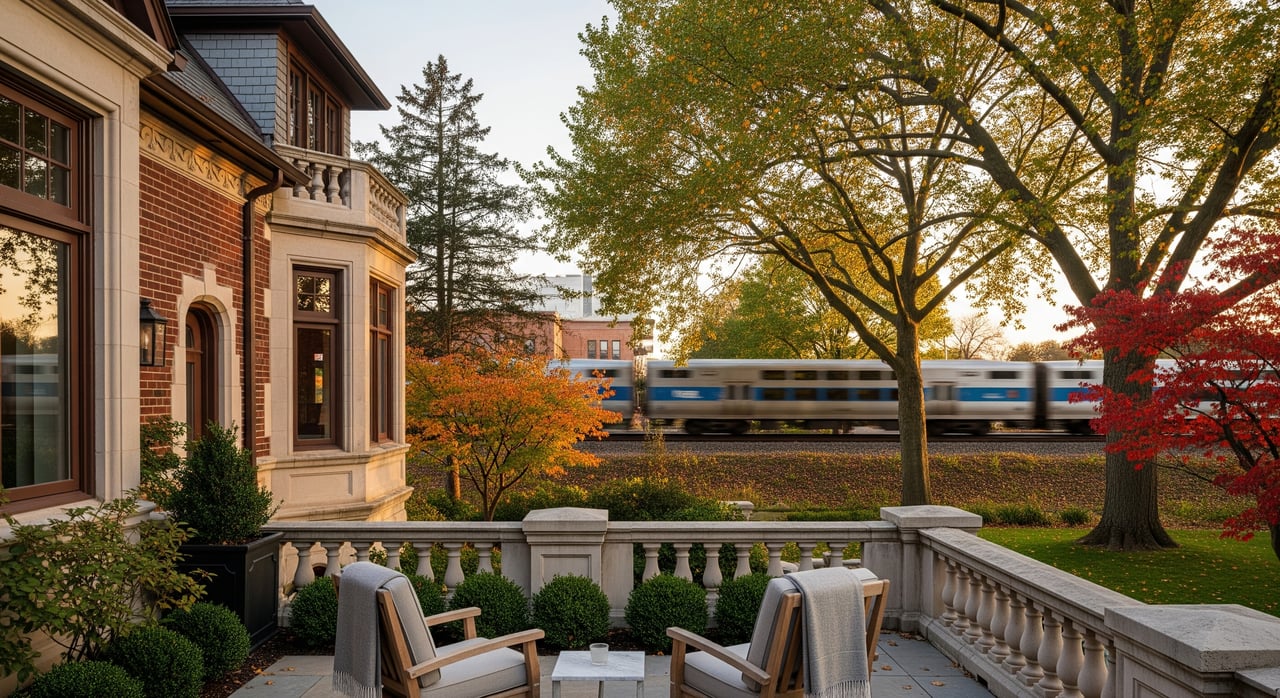
Elmhurst is served by Metra’s Union Pacific West Line, with a station in the heart of downtown. That central location makes walkability and first‑mile access big differentiators between homes. Peak trains are typically the most frequent, while off‑peak, evening, and weekend service tends to be less frequent, which can affect flexibility.
If you drive instead, major routes like Butterfield Road, Roosevelt Road, York Street, and nearby access to I‑290 and I‑88 play a role in door‑to‑desk time. Buyers who split time between office and home often weigh easy station access against quick routes to the expressways. Your schedule and tolerance for parking, traffic, and transfers will guide which neighborhoods feel like the right fit.
What proximity means for price and inventory
Homes within an easy walk of the station and downtown amenities often command a premium and can sell faster than similar properties farther out. The inventory mix also shifts close to the station, with more condos, townhomes, and smaller‑lot single‑family homes. Farther from downtown, you tend to see larger lots, more garage space, and newer construction.
Parking matters too. If station lots use permits or daily fees, some buyers choose to live close enough to walk and avoid that friction. Others accept a short drive and parking routine in exchange for more space or a lower price per square foot.
Elmhurst subareas: commute tradeoffs
Downtown & station‑adjacent (0–0.5 mile)
- Typical housing: condos, townhomes, historic bungalows, smaller‑lot single‑family, some mixed‑use buildings.
- Commute advantages: shortest walk to Metra and downtown shops and restaurants; strong walkability for daily errands.
- Tradeoffs: higher price per square foot, less private yard space, limited off‑street parking for some units, HOA fees for many buildings.
- Best fit: buyers who value a short, predictable commute and a walkable lifestyle.
Near‑Metra neighborhoods (0.5–1.0 mile)
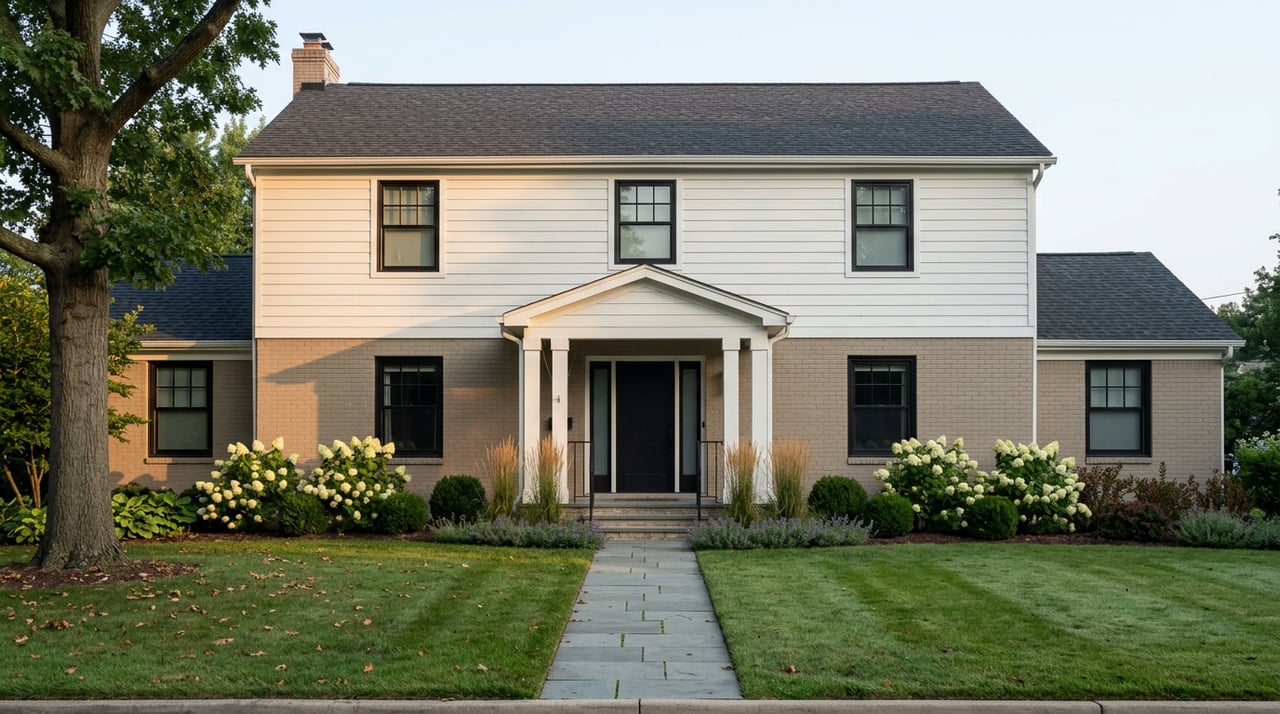
- Typical housing: single‑family homes including bungalows and midcentury styles, some duplexes, modest yards.
- Commute advantages: brief walk, bike, or quick drop‑off to the station; often a softer premium than being right next to downtown.
- Tradeoffs: slightly longer door‑to‑desk time and potential crossings of busier streets.
- Best fit: buyers seeking balance between yard space and walkable access to transit.
Park‑and‑ride areas (1–3 miles) near arterials
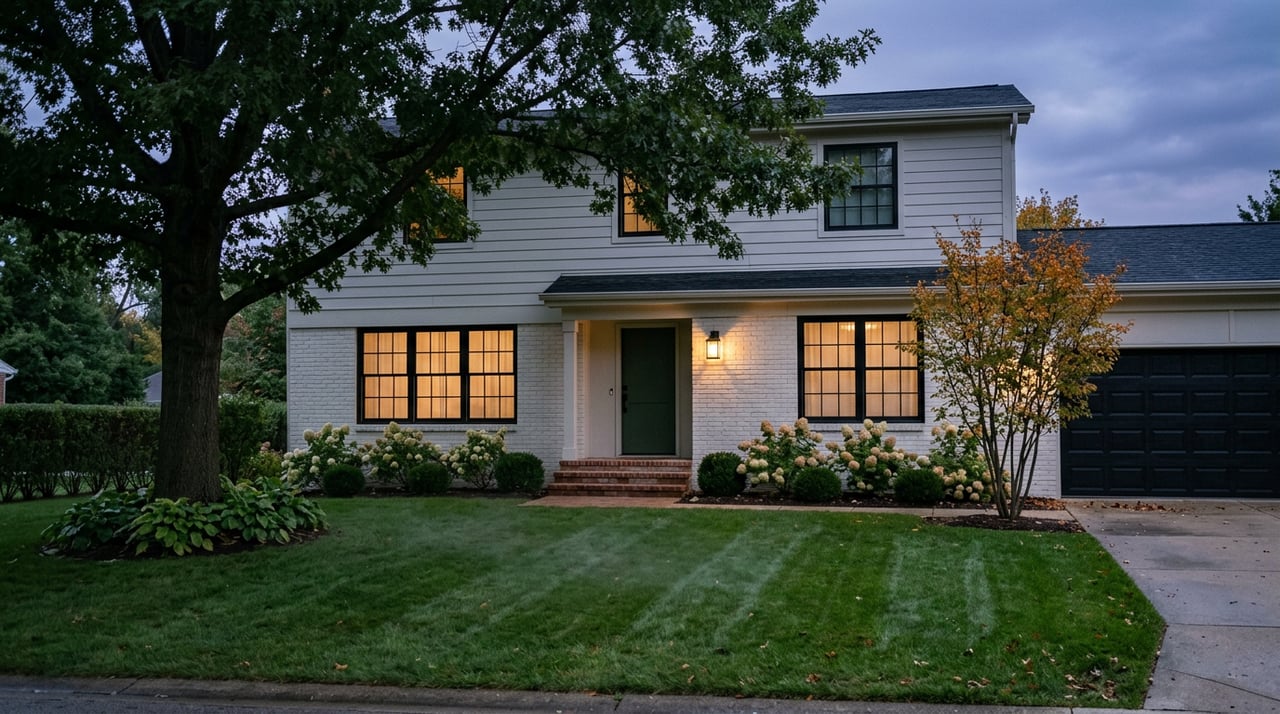
- Typical housing: larger single‑family homes, newer subdivisions, more garages and driveways.
- Commute advantages: easy driveway parking, simple access to arterials for station runs or driving commutes.
- Tradeoffs: added first‑mile drive, more dependence on a car, and rush‑hour congestion risk.
- Best fit: households prioritizing size and parking while keeping weekday rail access in play.
Edge areas near expressways (toward I‑290/I‑88)
- Typical housing: newer subdivisions, bigger lots, larger homes.
- Commute advantages: quick access to expressways for drivers or suburban work destinations.
- Tradeoffs: longer distance to the Metra station and downtown amenities.
- Best fit: drivers with flexible schedules who want more interior and yard space.
Property types and commute impact
Condos and townhomes
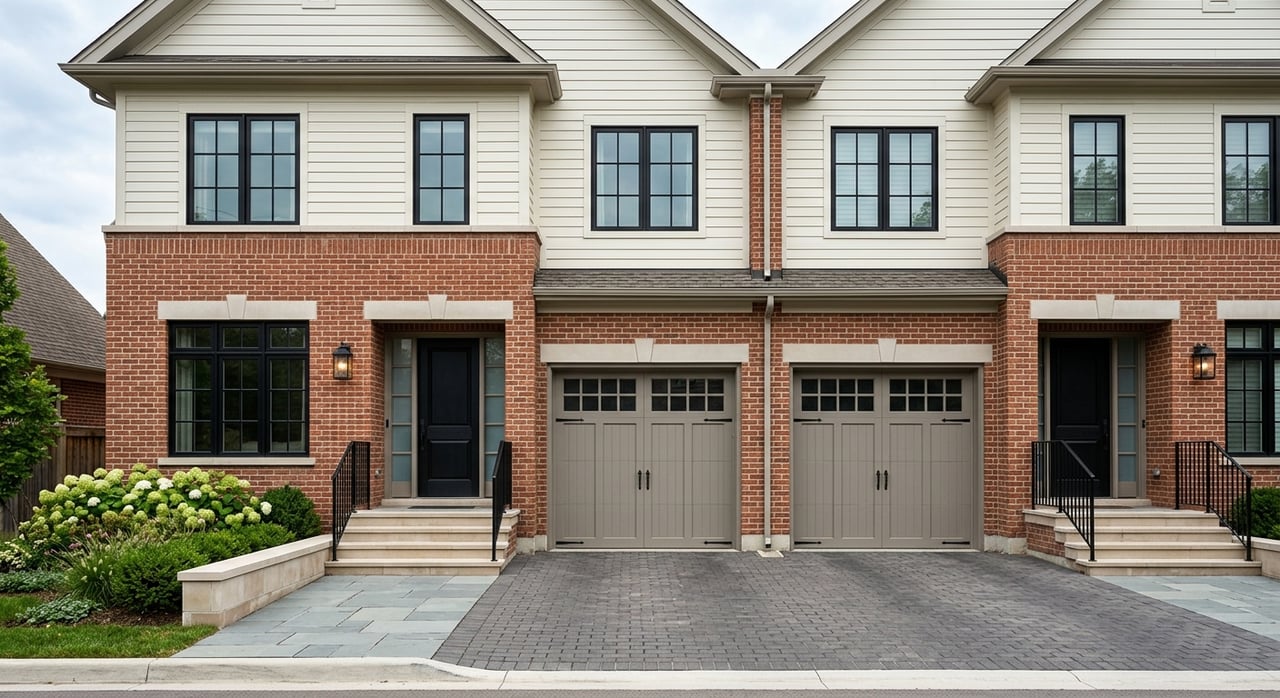
These often sit close to the station and downtown amenities. You get lower maintenance and strong walkability, plus predictable transit access. Expect HOA fees and potentially limited private parking, which may or may not matter if you mostly walk to the train.
Historic bungalows and older single‑family
Close‑in homes often come with architectural character and convenient station access. Some may need updates, so factor renovation timelines into your commute plan if you will rely on transit during projects.
Larger, newer single‑family
These homes typically offer more space and parking and are more common farther from downtown. The tradeoff is a longer walk or drive to the station and greater reliance on car access during off‑peak hours.
Model your real door‑to‑desk time
Do not rely on a single scheduled train time. Quantify these pieces for each property you consider:
- Door‑to‑station time
- Walk time, sidewalk conditions, and crossings.
- Bike time and bike‑parking options.
- Drive time to station lots during peak periods.
- Station wait and on‑train time
- Confirm peak vs off‑peak schedules for your actual hours.
- Station parking options and costs
- Permit vs daily, lot capacity, and any waitlist.
- Nearby street‑parking rules.
- Inbound and outbound flexibility
- Evening returns, weekends, and reverse‑commute options if needed.
- Last mile at destination
- From Ogilvie to the office by foot or connections.
- Total door‑to‑desk time and variability
- Build a buffer for delays and connections.
- Household logistics
- Second‑car needs, childcare drop‑offs, partner commutes, and bike or rideshare backup.
A simple way to compare homes: Total commute time = door‑to‑station + average wait + on‑train time + last‑mile to office.
Buyer scenarios and smart search filters
- Peak‑time commuter, ≤45‑minute door‑to‑desk goal
- Focus within 0.5 mile of the station and limit parking dependency.
- Family wanting a yard with occasional rail days
- Target 0.5–2.0 miles from the station with driveway and garage; map safe bike and walk routes.
- Price‑conscious commuter
- Look 1–3 miles out near arterials for more space per dollar; confirm station parking plans.
- Hybrid worker prioritizing a home office
- Consider larger homes farther out but within a reasonable drive to the station; prioritize a dedicated office or flex room.
How sellers can use the Metra factor
If your home is walkable to the station and downtown, spotlight that convenience in marketing, including typical walk times and access to shops and services. Clarify parking solutions for buyers who keep a car, such as private spaces or nearby options. For homes farther out, focus on garage capacity, easy access to arterials and expressways, and a sensible park‑and‑ride routine that keeps weekday rail trips simple.
Your next step
Your best choice in Elmhurst starts with a clear picture of how you actually commute. Time the door‑to‑station leg during peak hours, ride the train at your expected times, and review parking rules before you write an offer. When you want local, practical guidance and a search plan tailored to your lifestyle, connect with the Wardlow Group for help.
FAQs
How the Elmhurst Metra ride compares to driving downtown
- Scheduled train times can be competitive with peak driving, but your door‑to‑desk total depends on first‑mile travel, station wait, and last‑mile connections.
Whether living within walking distance of the station is worth it
- If you ride peak trains often and dislike parking, a short walk can save daily time and stress; if you need more space, a short drive‑and‑park routine can be a better value.
What to know about Elmhurst station parking before buying
- Expect a mix of permit and daily options that can change; verify current rules, locations, and any waitlists and include costs in your budget.
How hybrid schedules change Elmhurst home choices
- Many hybrid buyers trade a shorter walk for a larger home and office space, as long as a reliable drive‑to‑station plan works for in‑office days.
Off‑peak and weekend service on the UP‑West Line
- Service is typically less frequent outside peak periods; check current schedules for your exact hours, especially for late evenings and weekends.