
What Factors Affect Home Value in Chicago’s Western Suburbs?
September 30, 2026
September 30, 2026
What Factors Affect Home Value in Chicago’s Western Suburbs?
If you’re thinking about selling a home in Downers Grove, Hinsdale, Clarendon Hills,
Darien, Woodridge, Westmont, Lisle, Naperville, or another western suburb of Chicago,
one of the first questions you’re likely to ask is:
What is my home worth?
Online home-value estimates can provide a starting point, but determining the true market
value of a home is much more complicated. In Chicago’s western suburbs, two homes just
a few blocks apart can have significantly different values based on location, school district,
lot, condition, updates, floor plan, buyer demand, and even the competition available at
the exact time the home hits the market.
Understanding these factors—and knowing which improvements are worth making before
you sell—can have a major impact on your final selling price.
1. Location Still Has a Major Impact on Home Value
Real estate is local, and in the western suburbs, it can be extremely local.
Home values may vary considerably between communities and even between
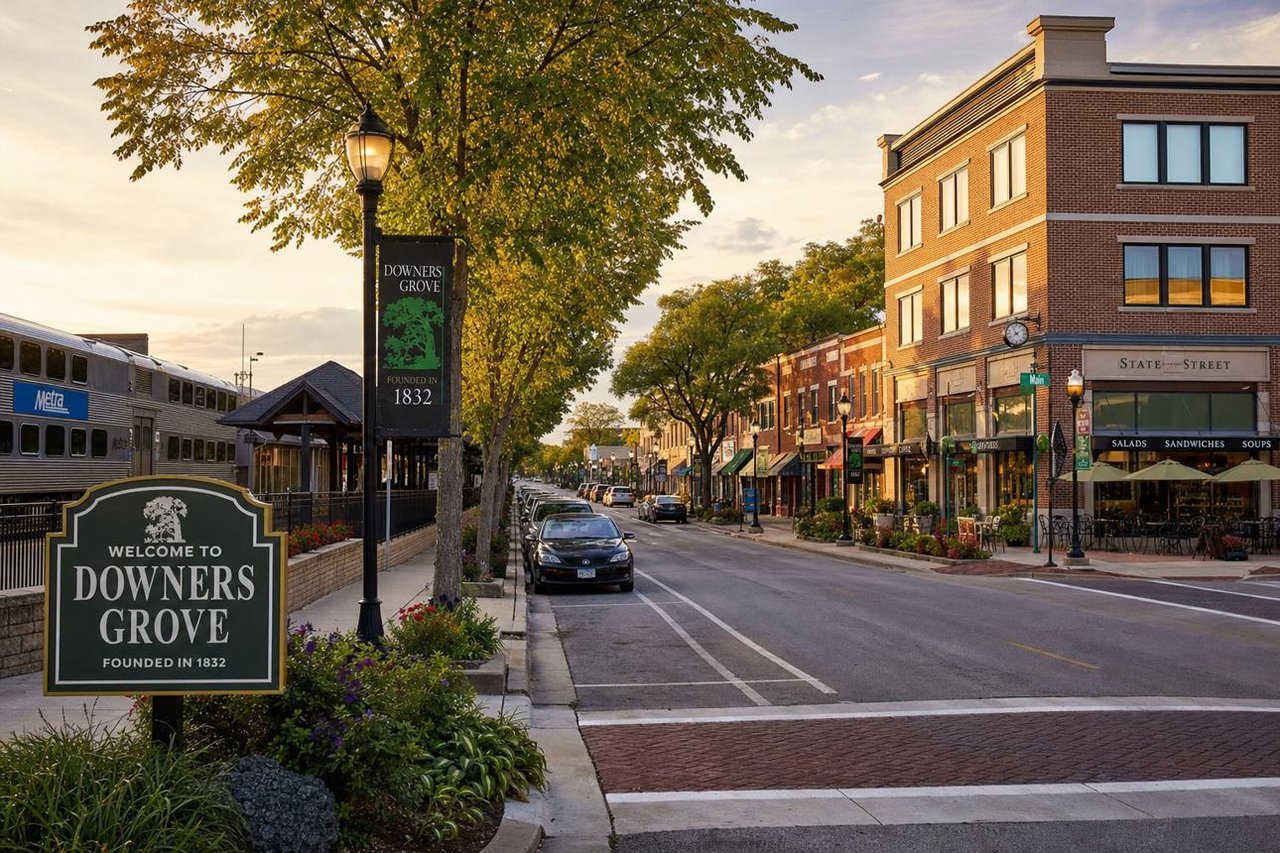
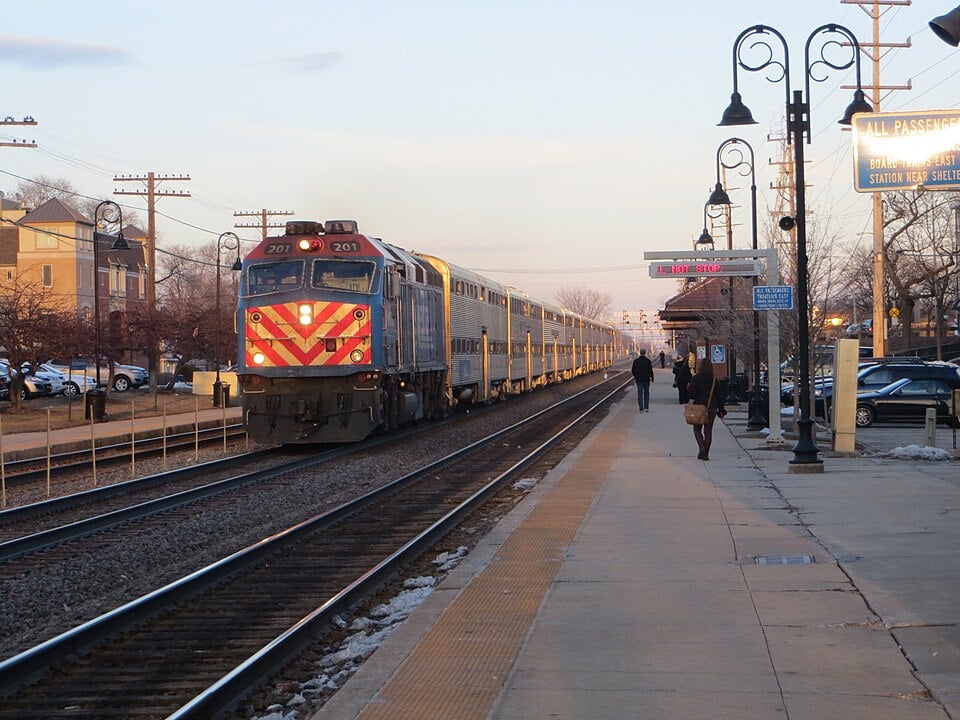
neighborhoods within the same town. Proximity to downtown areas, Metra stations, parks,
shopping, dining, major transportation routes, and other community amenities can
influence buyer demand.
In communities such as Downers Grove, Hinsdale, Clarendon Hills, Westmont, Darien,
Woodridge, Lisle, and Naperville, buyers often compare several nearby neighborhoods
before deciding where a home represents the best value.
This is one reason an automated online estimate can't replace the knowledge of a real
estate professional who understands the individual neighborhoods and streets.
2. Schools and Parks
Schools and parks are another consideration when evaluating home values in Chicago’s
western suburbs. Proximity and green space are all important factors to consider. Using a
local realtor to help guide you through the process is very important.
3. Lot Size, Location and Outdoor Space
The land itself can represent a significant portion of a property's value, particularly in
established western suburban communities.
Lot width and depth, usable backyard space, privacy, mature landscaping, patios, outdoor
entertaining areas, garages, and accessory structures can all influence how buyers
perceive a property.
A larger or particularly desirable lot may command a premium compared with a similar
house on a smaller or less desirable parcel.
4. Square Footage and Floor Plan
Square footage matters—but buyers don't evaluate homes based on square footage alone.
A thoughtfully designed home may feel larger and function better than a bigger property
with an inefficient layout.
Features that may influence buyer interest include:
Primary bedroom suites
Updated kitchens
Multiple full bathrooms
First-floor bedrooms or flexible living spaces
Home offices
Finished basements
Mudrooms
Open kitchen and entertaining spaces
Adequate storage
Attached garages
Understanding how today's buyers use a home is an important part of determining its
marketability.
5. Condition and Maintenance
One of the biggest factors affecting home value is its overall condition.
Buyers often look beyond décor and consider the age and condition of major components
such as the roof, windows, furnace, air conditioning, electrical system, plumbing,
foundation, driveway, and exterior.
A meticulously maintained older home may compete extremely well against a newer
property that has deferred maintenance.
Providing buyers with a clear history of improvements and maintenance can also help
demonstrate how well a property has been cared for.
6. Kitchens and Bathrooms
Kitchens and bathrooms frequently have an outsized influence on a buyer's first
impression.
That doesn't mean every seller should complete an expensive renovation before listing.
Sometimes relatively simple improvements—fresh paint, updated lighting, new hardware,
refreshed grout, updated countertops, or professional cleaning—can dramatically change
how a home photographs and presents.
The key is knowing where to spend money before selling a home and where not to
spend it.
An experienced local real estate team can help identify improvements that may enhance
marketability without unnecessarily over-improving the property.
7. Interior Décor and Presentation
Buyers aren't simply purchasing square footage. They're trying to picture themselves living
in the home.
Paint colors, furniture placement, lighting, clutter, flooring, window treatments, and overall
presentation can influence how spacious and inviting a property feels.
Professional staging doesn't necessarily mean replacing everything in a home. Often it
means editing what is already there and making strategic improvements so the property's
best features stand out.
8. Comparable Home Sales
Recent comparable sales—or "comps"—are an important part of determining a home's
value, but selecting the right comparable properties requires experience.
A home that sold six months ago may not accurately represent today's market. A property
two blocks away may look comparable online but could have a different lot, school
assignment, condition, floor plan, garage configuration, or level of updating.
At The Patty Wardlow Group, we look beyond the basic numbers and evaluate the
characteristics that actually caused buyers to pay more—or less—for competing homes.
9. Current Inventory and Buyer Demand
Home values don't exist in a vacuum.
The number of competing homes available when you list can significantly affect your
pricing strategy.
If there are very few comparable properties available, a seller may be in a stronger position.
If several similar homes come on the market simultaneously, buyers have more choices.
That's why determining the best listing price for a home in Downers Grove or Chicago's
western suburbs should include both recently sold properties and current competition.
10. Pricing Strategy
The highest suggested listing price isn't necessarily the strategy that produces the highest
sale price.
Pricing a property correctly from the beginning can help generate stronger initial interest,
increase showing activity, and position the home effectively against competing listings.
The first days and weeks on the market can be particularly important. A well-prepared
home combined with a thoughtful pricing and marketing strategy can create a very different
result than simply placing a home on the MLS and waiting for buyers.
Getting Your Home Market-Ready Doesn't Have to Be Overwhelming
One of the biggest concerns sellers have is figuring out everything that needs to happen
before their home goes on the market.
The Wardlow Group offers a one-stop approach to preparing your home for sale.
Our team has a network of trusted professionals who can help coordinate many of the
details involved in getting a property market-ready. Depending on what your home needs,
that may include painters, handymen, contractors, cleaners, landscapers, stagers,
photographers, and other professionals.
Instead of a seller trying to determine what needs to be done, who to call, and which
improvements are worth the investment, The Wardlow Group can help develop a
customized plan for preparing the home for today's market.
Stay up to date on the latest real estate trends.
What Factors Affect Home Value in Chicago’s Western Suburbs?

What Is My Home Worth in Downers Grove? Why the Right Local Realtor Matters
Best Western Suburbs of Chicago in 2026: A Local Real Estate Guide
West Suburban Chicago Neighborhoods: The Full Guide
What It's Really Like to Buy a Home in Downers Grove IL

Downers Grove Real Estate Market Guide 2026

Property Taxes in DuPage County: What Buyers Must Know
Etiam non quam lacus suspendisse faucibus interdum. Orci ac auctor augue mauris augue neque. Bibendum at varius vel pharetra. Viverra orci sagittis eu volutpat.