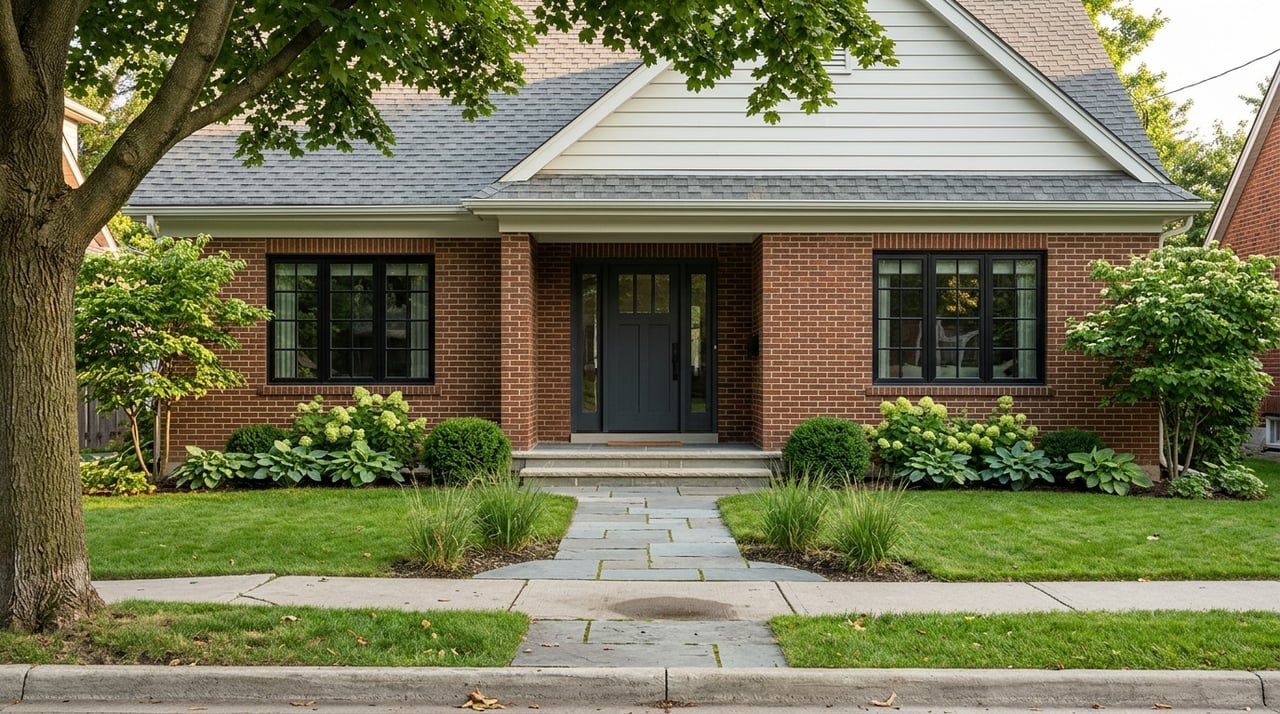
Western Springs Walk to Train Living: Is It Worth It?
July 2, 2026
July 2, 2026
If your daily routine already revolves around the train, the answer may be yes. In Western Springs, living near the Metra station can mean more than a shorter commute. It can also mean easier access to downtown shops, dining, and civic spaces that shape everyday life. If you are weighing convenience against space, budget, and housing style, this guide will help you think through the tradeoffs. Let’s dive in.
Western Springs is about 18 miles west of Chicago, and the village treats the Metra station as the anchor of downtown. The Western Springs station sits at 914 Burlington Ave. on the BNSF line in Zone 3, and Metra lists amenities like accessibility, ticket vending machines, a waiting room, and 357 parking spaces across seven lots.
That matters because the station is tied closely to the village’s downtown pattern. Village planning materials describe downtown as a pedestrian-oriented center built around the station, Tower Green, retail storefronts, and convenient in-town access. In simple terms, a walk-to-train address in Western Springs often connects you to more than transit.
For many buyers, the biggest benefit is not just skipping the drive to the station. It is the ability to build your day around a more walkable routine. If you commute often, being able to leave home on foot, catch the train, and return to the heart of downtown can make day-to-day life feel simpler.
Western Springs also places several civic amenities in the downtown core, including the library, recreation center, pool, theatre, and water tower area. The village also presents downtown as a shopping-and-dining hub, which adds lifestyle value beyond the train itself.
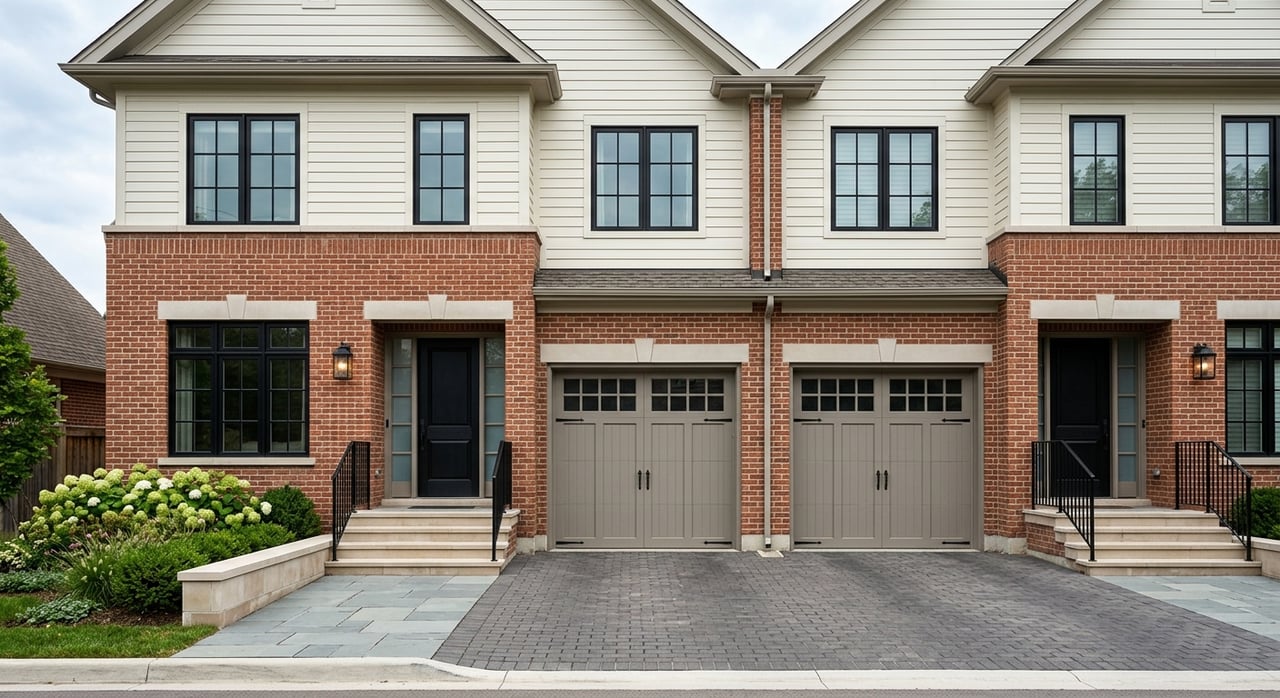
One common assumption is that near-train living means one narrow type of housing. In Western Springs, that is not the case. Current examples near Burlington Avenue include an older single-family home, a multi-family property, a side-by-side or townhome-style two-flat, and downtown mixed-use buildings with residential units above commercial space.
That mix gives buyers more than one path into the market. Depending on what is available, you may find detached homes, attached housing, or in-town residential units that trade lot size for convenience. This can be especially helpful if your top priority is access rather than square footage.
Not every Western Springs address offers the same walk-to-train experience. Village notices identify distinct parts of town, including Old Town North, Field Park, Ridge Acres, Old Town South, Forest Hills, Springdale/Estates, and Ridgewood.
That does not mean one area is better than another. It simply means your daily routine may look very different depending on where you buy. Some in-town blocks are regularly described as easy walks to the train, parks, and other amenities, while other locations may work better for a short drive or bike ride.
Western Springs is a high-priced and competitive market overall. Zillow reports an average home value of $898,566 as of May 31, 2026, up 10.8% year over year. It also reports 33 homes for sale, 20 new listings, and a median days-to-pending of 6.
Redfin reports a median sale price of $972,000 for the three months ending April 2026, up 14% year over year, with homes selling in 39 days and the market described as very competitive. In a market like this, convenience often gets priced in quickly.
That does not always show up as one simple walkability premium. In Western Springs, the value of being near the station is often bundled into tradeoffs such as smaller lots, older homes, attached housing, or stronger buyer competition for the most convenient blocks.
If you use Metra often, walk-to-train living usually makes strong practical sense. You can avoid parking logistics, stay close to the center of downtown, and make commuting more predictable.
Metra lists 357 parking spaces at the station, but only 132 are daily-only spaces. So while drive-to-station living is absolutely possible, it comes with one more variable to manage. For a frequent commuter, removing that step can have real value.
The train cost also matters. Western Springs is in Zone 3, and Metra lists a one-way trip to Zone 1 at $5.50 and a monthly pass at $110. If you are paying that regularly, being able to walk to the station may make the overall routine feel more worthwhile.
Walk-to-train living is not automatically the best fit for every household. If you rarely take Metra, the convenience may not outweigh what you could gain elsewhere in town.
Examples from areas like Forest Hills suggest that some short-drive locations may offer larger lots and more house for the money. Listings there show parcels such as 50 by 187 and 60 by 150, which helps illustrate the kind of space some buyers may prioritize.
If your focus is a larger yard, more interior space, or a more residential feel, a short-drive location may deliver better value at your budget. In that case, the train is still accessible, but it may not need to shape your entire home search.
If you are unsure whether the premium is worth it, ask yourself a few practical questions:
If you answer yes to frequent train use and a strong preference for an in-town routine, the walk-to-train lifestyle may be a smart fit. If not, you may find better overall value by expanding your search beyond the closest blocks.
In Western Springs, walk-to-train living is usually most compelling for buyers who want both commuting ease and daily access to downtown. The premium is not just about the station platform. It is about how often you will use that location advantage in real life.
For some buyers, that convenience is worth paying for. For others, more space and flexibility elsewhere in town will matter more. The best choice depends on your routine, your budget, and what kind of home life you want to build.
If you want help comparing in-town convenience against lot size, housing style, and current competition, Wardlow Group can help you evaluate the options with a local, data-driven approach.
Stay up to date on the latest real estate trends.
Etiam non quam lacus suspendisse faucibus interdum. Orci ac auctor augue mauris augue neque. Bibendum at varius vel pharetra. Viverra orci sagittis eu volutpat.