
Property Taxes in DuPage County: What Buyers Must Know
September 17, 2026
September 17, 2026
What should I know about property taxes before buying in DuPage County? It's one of the most important questions a buyer can ask, and one of the most commonly skipped. Most buyers calculate their mortgage payment and overlook the third number that actually determines affordability: property taxes. In DuPage County, that number can swing your monthly costs by hundreds of dollars depending on which township, school district, and municipality the home sits in. Wardlow Group agents report seeing it happen regularly: a buyer falls in love with a home in Lombard or Glendale Heights, then discovers the tax bill is nearly twice what they assumed based on the list price alone. This article walks through everything you need to know before making an offer. You'll learn how the county calculates your bill, what exemptions apply, when payments are due, and how taxes get handled at closing. By the end, you'll know how to estimate annual taxes on any home you're considering and what records to verify before you commit. How DuPage County calculates your property tax bill Illinois law requires property to be assessed at one-third of its market value, and DuPage County follows that statutory level exactly. Your home's assessed value is roughly 33 % of what the county estimates it's worth on the open market. That number becomes the foundation for every calculation that follows. Township assessors make the initial valuation, but the county then runs a three-year sales ratio study to see whether local assessments actually reflect market conditions. If the average assessment in a township drifts too far from the 33 % target, the county applies an equalization multiplier to bring it back in line. The result is your Equalized Assessed Value (EAV), and that's the figure the tax rate is applied to. Each parcel sits within a specific package of taxing districts: school districts, park districts, fire protection districts, and the municipality itself. The combined levy rate from all of those districts determines your actual bill. That's why two homes a few blocks apart can carry very different annual tax costs, even when their list prices are nearly identical. What buyers should know about DuPage County property tax rates and estimates The effective property tax rate in DuPage County runs approximately 2.05% to 2.09% countywide, which puts the typical annual bill around $7,800 on a median-value home (based on third-party county trackers; the precise figure varies by tax year). That average hides significant variation. Oak Brook sits near 1.25%, while Glendale Heights runs closer to 2.92%. Naperville comes in around 1.96% to 2.08%, Elmhurst near 1.74% to 1.94%, Lisle near 2.12%, and Lombard near 2.11% to 2.39%. These figures are approximate ranges drawn from third-party summaries; confirm the current-year rate for any specific parcel through the county's parcel lookup tool before making an offer. School levies account for roughly 60% to 70% of a typical Illinois property tax bill. In some DuPage district packages, a single school district levy can exceed 4.0 on the EAV. When you're comparing two homes of similar price in different parts of the county, the school district attached to each parcel often explains the difference in tax bills better than the home's value does. Here's a practical way to estimate annual taxes on any home you're considering. Keep in mind that "effective rate" as commonly reported by third-party trackers is expressed as a percentage of market value, so the simplest estimate is: market value × effective rate. For a $400,000 home in a municipality with a 2.1% effective rate, that's $400,000 × 2.1% = roughly $8,400 per year. Alternatively, if you want to work from the EAV, multiply the list price by 0.33 to get the approximate EAV ($132,000), then apply the parcel's combined taxing-district rate (expressed as a percentage of EAV), a figure you can pull directly from the county parcel lookup. Either way, this is a ballpark figure. The actual bill depends on the parcel specific rate, which the county's parcel lookup tool will show you before you write any offer. Exemptions that reduce your annual tax bill Once you occupy the home as your principal residence, you qualify for the General Homestead Exemption, which reduces your taxable EAV by up to $8,000 in DuPage County (verify the current amount with the DuPage County Supervisor of Assessments, as published figures can vary by source). This exemption is usually applied automatically once the property is coded correctly, but if it doesn't appear on your first bill, contact your Township Assessor's office directly. Separately, homeowners who are 65 or older by December 31 of the assessment year can stack the Senior Homestead Exemption on top, reducing taxable value by an additional amount. The Senior Assessment Freeze is a distinct program that locks in your assessed value if you're 65 or older and your total household income is $65,000 or less. Application deadlines can shift year to year; confirm the current filing window with the DuPage County Supervisor of Assessments before assuming October 1 applies in a given year. Veterans with service-connected disabilities may qualify for a separate veterans' disability exemption administered through the Supervisor of Assessments; required documentation and forms vary depending on the specific program. Homeowners with qualifying disabilities can apply for the Disabled Persons' Homestead Exemption using state form PTAX-343. Check with the DuPage County Supervisor of Assessments for the correct form and current requirements for each program. If you're buying a home where the previous owner qualified for any of these programs, confirm which exemptions will carry forward and which you'll need to apply for separately. The senior freeze, in particular, does not automatically transfer to a new buyer. Missing that detail in your first year of ownership can mean a much higher tax bill than you budgeted for. The payment schedule and what escrow means for you DuPage County sends one annual tax bill payable in two installments. The county mails bills in late April, with the first installment typically due June 1 and the second due September 1. Due dates shift slightly when those dates fall on weekends or holidays; in 2024, for example, the due dates were June 3 and September 3. Payments made after the due date accrue interest at 1.5% per month under Illinois statute. If your mortgage includes an escrow account, your lender collects a portion of the annual tax bill monthly and pays each installment directly to the county. That setup is convenient, but it's worth checking your lender's disbursement timing against the county calendar. A misaligned payment can trigger a late penalty even when the funds are sitting in your escrow account, and clearing that up takes time and documentation. If you're not escrowing taxes, set a reminder for both due dates well in advance. You can pay online, by mail, or in person at the DuPage County Treasurer's office. Because county reminder practices can vary, set your own calendar alerts, 1.5% per month adds up quickly on a $4,000 installment. How property taxes get prorated at closing In DuPage County, you pay this year's taxes next year. That's the Illinois arrears system, and it means at closing, the seller owes you a credit for the portion of the year they owned the home. If you close in August, the seller credits you for roughly eight months of estimated taxes. Most DuPage closings use approximately 105% of the last full-year bill to account for likely increases, though the exact figure is set by the purchase contract. Your title company will run a search to confirm whether any tax installments are delinquent or whether any tax liens attach to the parcel. Unpaid taxes must be resolved before the title can transfer cleanly. As a buyer, review your closing statement carefully: confirm the proration credit matches the agreed formula, and verify that the title search shows no outstanding installments or unresolved liens tied to the address. A quick example makes this concrete. On a home with a prior-year bill of $8,000, the adjusted estimate at 105% is $8,400. Divide by 365 to get a daily rate of $23.01. If the seller owned the home for 240 days of the tax year before closing, their credit to you is $5,522. That credit shows up directly on your closing statement and reduces the cash you bring to the table. Why pulling tax history before you offer matters The DuPage County Treasurer's and Clerk's offices maintain public parcel records that show a property's assessed value, taxing district breakdown, rate history, and whether any installments are delinquent. You can search by address or parcel number and see several years of actual tax bills. That history tells you how quickly taxes have increased and whether the current owner benefits from exemptions that won't transfer to you. If you want to go deeper, the DuPage County Board of Review handles assessment appeals. The appeal window opens after your township's assessment roll is published and closes 30 days later; timing varies by township, so you'll need to check the specific publication date for the parcel you're buying. If you believe the assessed value is out of line with comparable sales, you can file a complaint with the Board, present your evidence, and request a reduction. An unfavorable decision can be appealed further to the Illinois Property Tax Appeal Board within 30 days of the notice. Reviewing parcel-level tax data should be a standard step in every buyer's process, not an afterthought. The team at The Wardlow Group routinely pulls the last three to five years of actual tax bills, the current assessed value, and the exemptions currently applied to every property a client is seriously considering. An unexpected tax bill can change the math on a deal entirely, and catching it before the offer goes in is far simpler than renegotiating after you're already under contract. What to know about DuPage County property taxes before you make an offer Property taxes in DuPage County are manageable once you understand how they're calculated and where to look. Before you write any offer, work through this checklist: Check the effective rate for the specific municipality and parcel Estimate the annual bill using the market-value method (market value × effective rate) or by pulling the parcel's EAV and combined district rate from the county lookup tool Identify which exemptions you'll qualify for as a new owner, and which you'll need to apply for separately Understand the two-installment payment schedule and how your lender will handle escrow Verify the proration credit formula and tax lien status at closing through your title company This is all manageable once you know where to look, but it does require someone who knows which county tools to use and what the numbers actually mean for your monthly budget. If you're shopping for a home in Downers Grove, Lisle, Westmont, Darien, or anywhere across DuPage County, reach out to The Wardlow Group. Pulling this data is part of how the team represents buyers from the first showing through the final closing statement, because knowing the full cost of a home before you commit is how good decisions get made.
The Wardlow Group is led by Patty Wardlow, the team has held the top agent position in this community since 2012 and ranks in the top 1%
of REALTORS nationwide. Over 90% of their business comes from referrals and repeat clients, a track
record built on results.
Stay up to date on the latest real estate trends.
Property Taxes in DuPage County: What Buyers Must Know

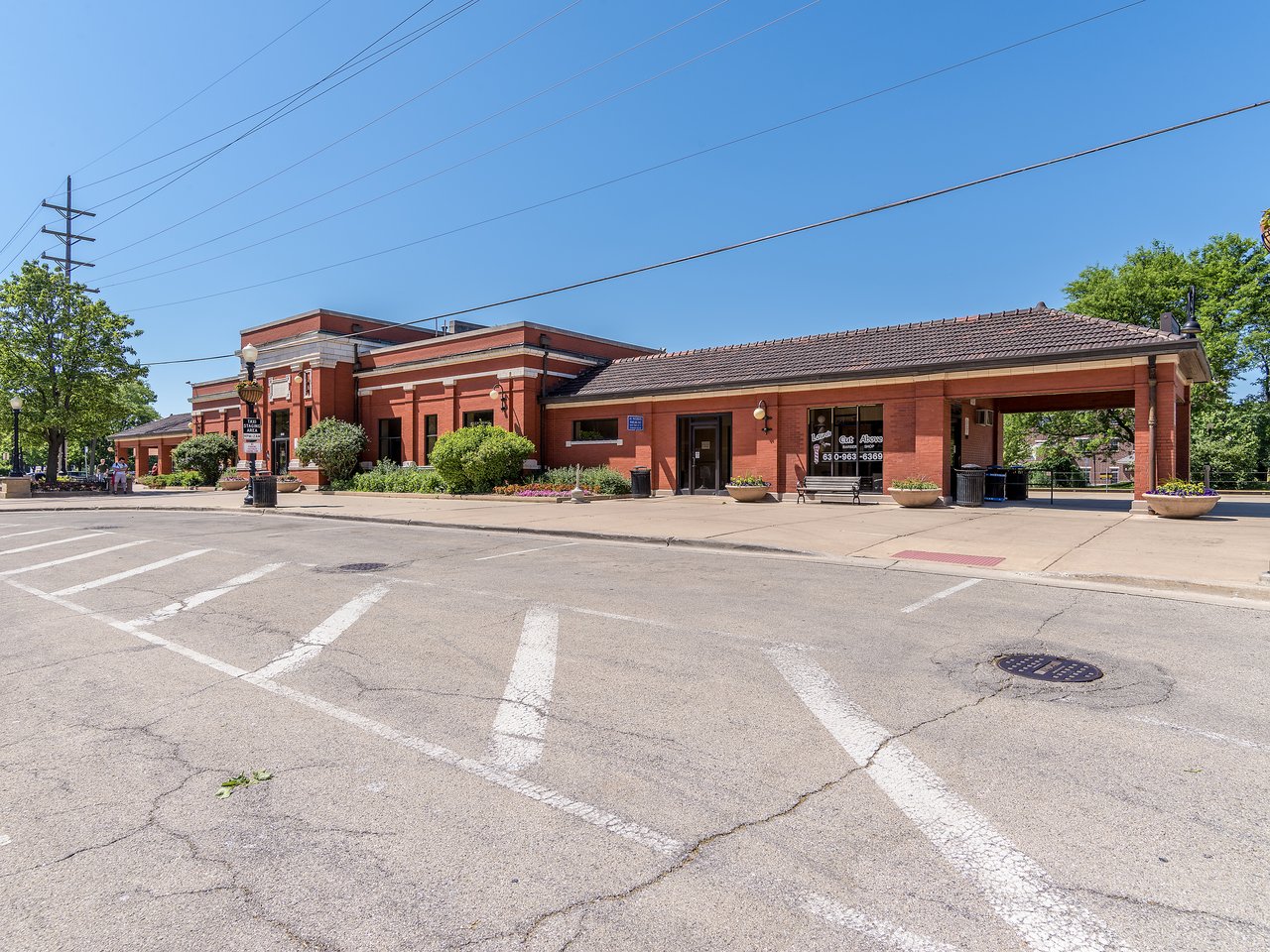
How to Start the Home Buying Process in Downers Grove


Etiam non quam lacus suspendisse faucibus interdum. Orci ac auctor augue mauris augue neque. Bibendum at varius vel pharetra. Viverra orci sagittis eu volutpat.